
SS 316/316L/316Ti Round Bars & Rods
Mechanical Strength • Accuracy & Straightness • Quality & Finish
Get a QuoteStainless Steel 316 / 316L / 316Ti Explained
Stainless Steel 316, 316L, and 316Ti are molybdenum-bearing austenitic stainless steels. To begin with, they offer significantly enhanced corrosion resistance compared to 304 grades. In particular, they perform exceptionally well in chloride-rich and marine environments. Furthermore, these grades deliver excellent resistance to pitting, crevice corrosion, and acidic media.
When selecting the right grade for your corrosive environment, consider the following: First, SS 316 serves as the standard molybdenum grade for general corrosion resistance. Next, SS 316L contains low carbon content — this provides superior weld corrosion resistance and prevents intergranular attack after welding. Finally, SS 316Ti is titanium-stabilized, ensuring high-temperature service stability and resistance to sensitization.
As a result, these grades are widely used in marine equipment, pharmaceutical machinery, and chemical processing plants. Moreover, they are trusted in heat exchangers, pressure vessels, and food processing systems. Equally important, medical devices and surgical instruments rely on their superior hygiene and corrosion resistance. Consequently, SS 316/316L/316Ti provide excellent durability, long-term corrosion resistance, and reliable performance in the most demanding environments.
Need expert guidance on selecting the right 316 grade for your application? Contact our technical team today — we’ll help you choose between 316, 316L, or 316Ti based on your corrosion exposure, welding requirements, and operating temperature, and provide a competitive quote tailored to your needs.
Other Types of Stainless Steel 316 / 316L / 316Ti Bars
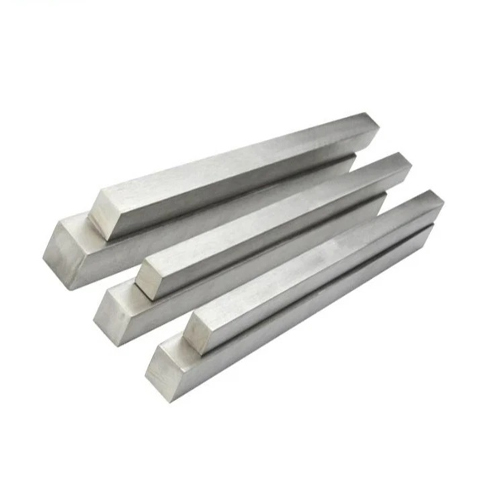
- SS 316 / 316L / 316Ti Square Bar & Rod
- UNS S31600 / S31603 / S31635 Grades
- ASTM A276 / ASME SA276 Standard
- DIN 1.4401 / 1.4404 / 1.4571 Square Bar
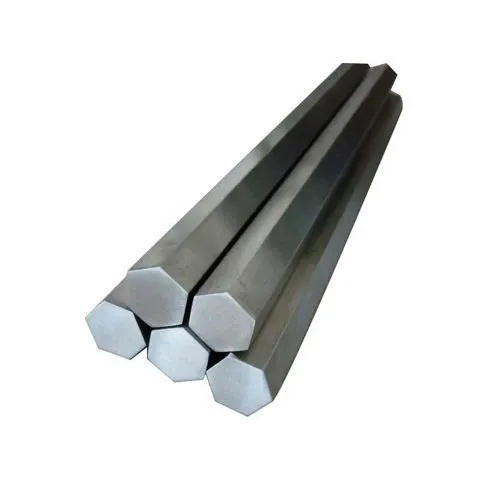
- ASME SA276 SS 316L / 316Ti Hex Bar
- ASTM A276 Stainless Steel Hexagon Rod
- DIN 1.4404 / 1.4435 / 1.4441 Grades
- UNS S31600 / S31635 Precision Hex Bar
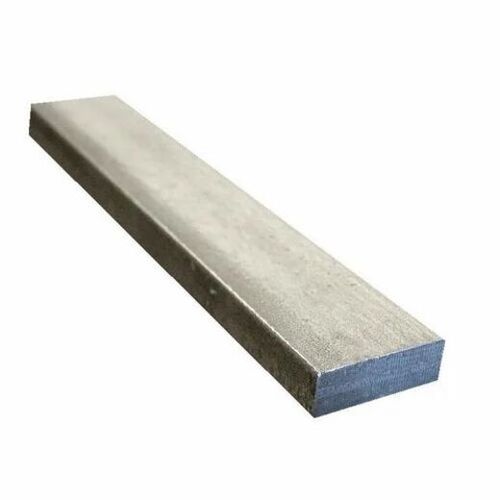
- ASTM A276 SS 316 Rectangular Bar
- UNS S31600 / DIN 1.4571 Rectangle Rod
- ASME SA276 Machined Rectangular Sections
- SS 316Ti Polished Rectangular Bar Supply
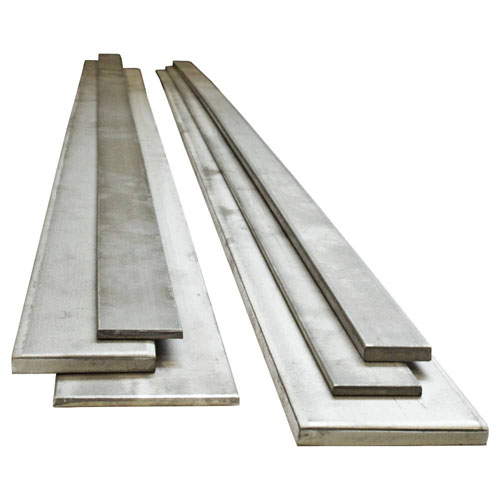
- DIN 1.4436 Stainless Steel Flat Bar
- UNS S31600 Industrial Flat Sections
- ASTM A276 SS 316L Flat Strip
- SS 316 / 316Ti Polished Flat Bar
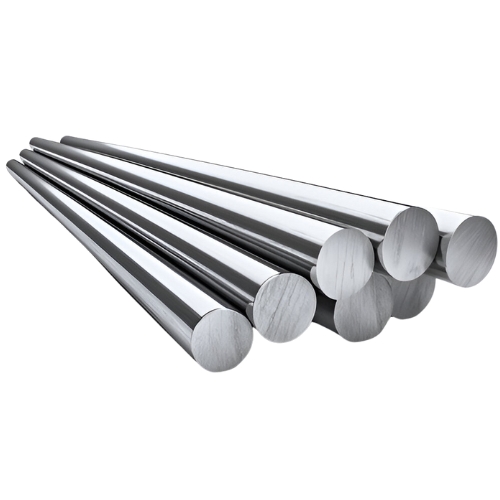
- ASTM A276 SS 316Ti Bright Drawn Bar
- UNS S31600 / S31603 / S31635 Grades
- Mirror Finish Cold Drawn Bright Rods
- SS 316 / 316L Precision Bright Bar
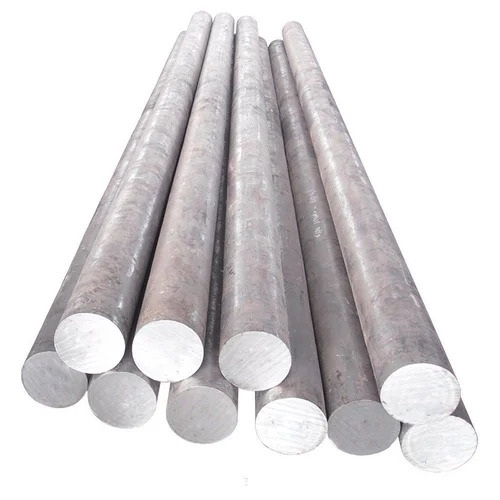
- UNS S31600 Stainless Steel Forged Bar
- ASTM A276 SS 316L Forged Rod
- High Strength Polished Forged Bars
- ASME SA276 SS 316Ti Forgings
316/316L/316Ti STAINLESS STEEL ROUND BAR EQUIVALENT GRADES
| STANDARD | UNS | WNR. | AFNOR | EN | JIS | BS | GOST |
|---|---|---|---|---|---|---|---|
| SS 316 | S31600 | 1.4401 / 1.4436 | Z7CND17-11-02 | X5CrNiMo17-12-2 / X3CrNiMo17-13-3 | SUS 316 | 316S31 / 316S33 | – |
| SS 316L | S31603 | 1.4404 / 1.4435 | Z3CND17-11-02 / Z3CND18-14-03 | X2CrNiMo17-12-2 / X2CrNiMo18-14-3 | SUS 316L | 316S11 / 316S13 | 03Ch17N14M3 / 03Ch17N14M2 |
| SS 316Ti | S31635 | 1.4571 | Z2 NCDU 25-20 | X1NiCrMoCu25-20-5 | SUS 316Ti | 904S13 | – |
SPECIFICATION OF STAINLESS STEEL 316/316L/316Ti ROUND BAR
| Stainless Steel Round Bar Specification | ASTM A276 / A479, ASME SA276 / A479 |
|---|---|
| Dimension Standard | EN, DIN, JIS, ASTM, BS, ASME, AISI |
| Size | 14 mm – 300 mm |
| Thickness | 50 mm to 6000 mm Long |
| Length | 1 to 6 Meters, Custom Cut Length |
| Form | Round, Square, Hex (A/F), Rectangle, Billet, Ingot, Forging Etc. |
CHEMICAL COMPOSITION OF STAINLESS STEEL 316/316L/316Ti ROUND BAR
| Grade | C% | Mn% | Si% | P% | S% | Cr% | Mo% | Ni% | N% |
|---|---|---|---|---|---|---|---|---|---|
| 316 (S31600) | 0.08 max | 2.0 max | 0.75 max | 0.045 max | 0.03 max | 16.0 – 18.0 | 2.0 – 3.0 | 10.0 – 14.0 | 0.10 max |
| 316L (S31603) | 0.03 max | 2.0 max | 0.75 max | 0.045 max | 0.03 max | 16.0 – 18.0 | 2.0 – 3.0 | 10.0 – 14.0 | 0.10 max |
| 316Ti (S31635) | 0.08 max | 2.0 max | 0.75 max | 0.045 max | 0.03 max | 16.0 – 18.0 | 2.0 – 3.0 | 10.0 – 14.0 | 0.10 max |
MECHANICAL PROPERTIES OF STAINLESS STEEL 316/316L/316Ti ROUND BAR
| Grade | Tensile Strength (ksi) | Yield Strength 0.2% (ksi) | Elongation (%) | Hardness (Brinell) MAX | Hardness (Rockwell B) MAX |
|---|---|---|---|---|---|
| 316 | 75 | 30 | 40 | 217 | 95 |
| 316L | 70 | 25 | 40 | 217 | 95 |
| 316Ti | 515 MPa | 205 MPa | 35 | 205 | 75 |
PHYSICAL PROPERTIES OF SS 316 / 316L
| Density lb/in³ | Thermal Conductivity (BTU/h ft. °F) | Electrical Resistivity (in x 10⁶) | Modulus of Elasticity (psi x 10⁶) | Coefficient of Thermal Expansion (in/in)/°F x 10⁶ | Specific Heat (BTU/lb/°F) | Melting Range (°F) |
|---|---|---|---|---|---|---|
| 0.285 at 68°F | 9.4 at 212°F 12.4 at 932°F |
28.3 at 68°F 39.4 at 752°F 49.6 at 1652°F |
28 | 9.4 at 32–212°F 10.2 at 32–1000°F 10.4 at 32–1500°F |
0.1200 at 68°F to 212°F | 2500 to 2590 |
PHYSICAL PROPERTIES OF SS 316Ti
| Density lb/in³ | Coefficient of Thermal Expansion (min/in)-°F | Thermal Conductivity BTU/h-ft.-°F | Specific Heat BTU/lb-°F | Modulus of Elasticity (psi) |
|---|---|---|---|---|
| 0.285 at 68°F | 9.2 at 68–212°F 11.0 at 68–1600°F |
9.4 at 212°F 12.4 at 932°F |
0.12 at 32–212°F | 29 x 10⁶ in tension (E) |
Request a Quote
Looking for high-quality Stainless Steel 316 / 316L / 316Ti Round Bars & Rods? Fully compliant with ASTM A276, A479 and ASME SA276, SA479. Get in touch with us today.
Contact Us