
Overview
Stainless Steel Flanges are widely used in industries requiring resistance to corrosion, heat, and pressure such as chemical processing, pharmaceuticals, food & beverage, oil & gas, and marine applications. They ensure long-lasting leak-proof connections even in harsh environments.
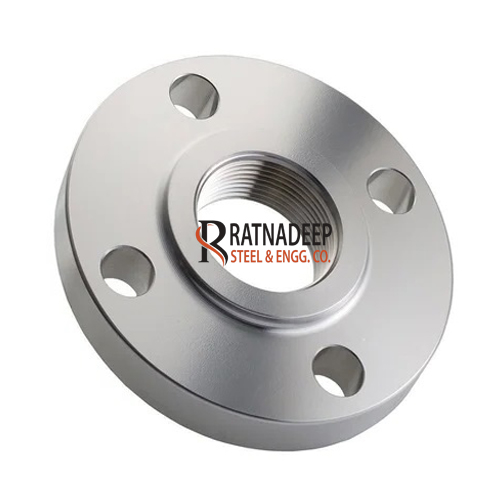
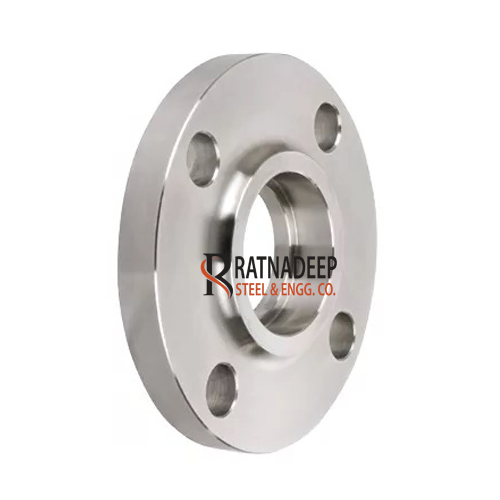
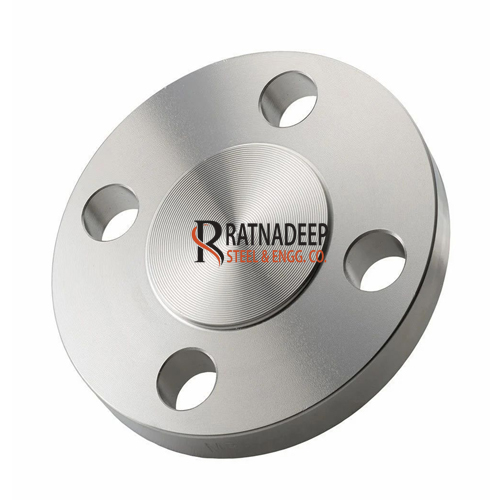
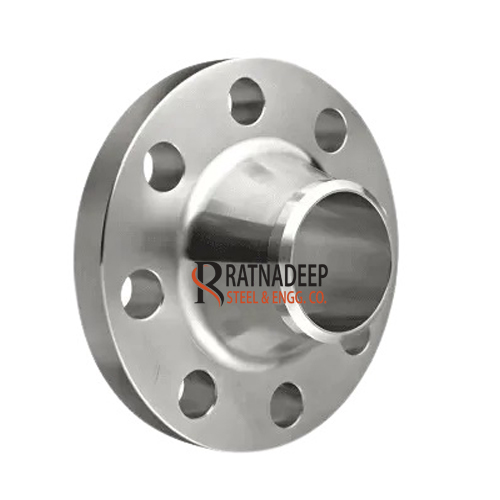
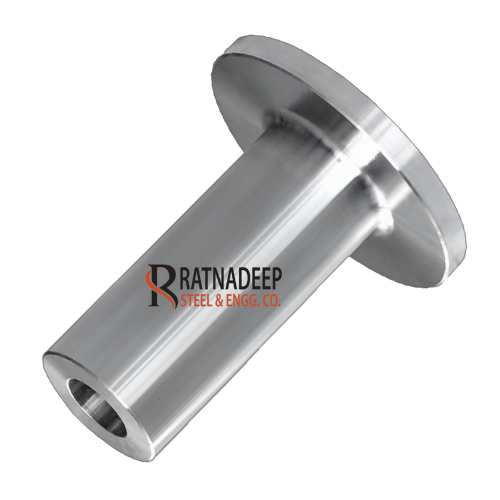
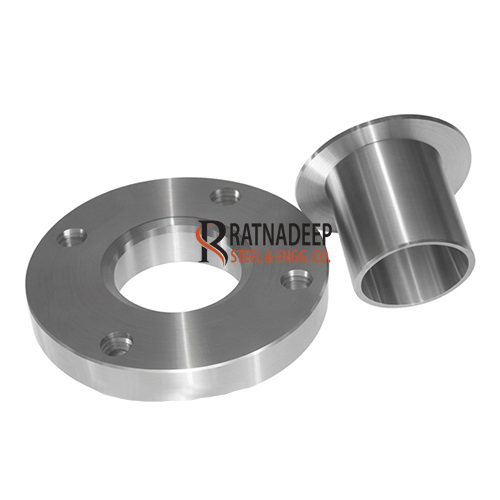
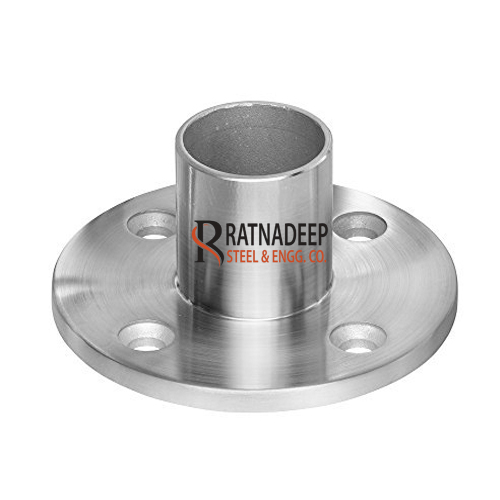
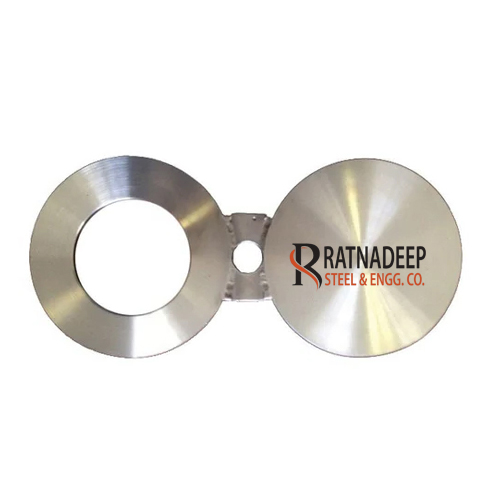
Types of Stainless Steel Flanges
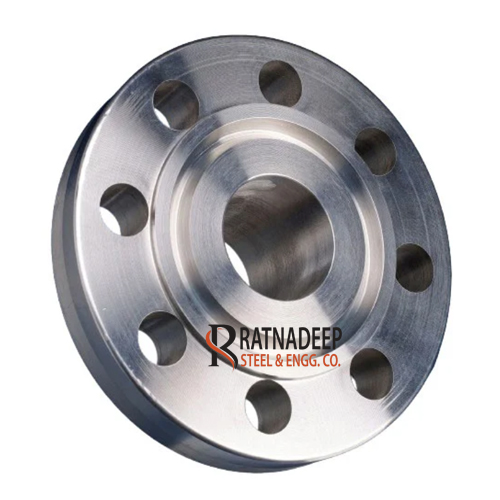
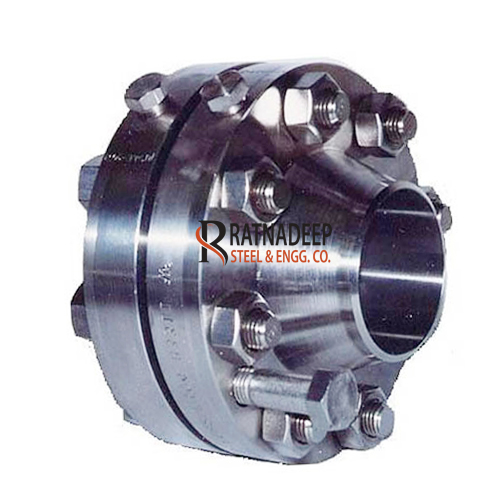
Technical Specifications
| Standard | Size Range | Pressure Rating | Face Type |
|---|---|---|---|
| ASME / ANSI B16.5 & B16.47 | ⅛” to 48” | 150# to 2500# | RF, RTJ |
| DIN | DN10 to DN2000 | PN6 to PN400 | RF, FF |
| JIS | 10A to 1500A | 5K to 30K | FF, RF |
Material Grades: ASTM A182 F304 / 304L / 304H / 316 / 316L / 317 / 317L / 321 / 310 / 347 / 904L
Chemical & Mechanical Properties
- Tensile Strength: 515 MPa min
- Yield Strength: 205 MPa min
- Hardness: 160–190 HB
- Nickel Content: 8–25% (depending on grade)
- Corrosion Resistance: Excellent in chloride and acidic environments
Applications & Industries
Key Features & Benefits
- Superior corrosion resistance
- High durability in extreme environments
- Leak-proof & precise connections
- Compliant with international standards
- Available in polished & custom finishes
Certifications & Quality Assurance
- ISO Certified
- PED & IBR Approved
- Third-party inspection (TPI) available
- Mill Test Certificates (MTC) provided
Frequently Asked Questions
What is the difference between 304 and 316 Stainless Steel Flanges?
304 is the most common grade, while 316 contains molybdenum for superior corrosion resistance, especially against chlorides.
Which stainless steel grade is best for marine applications?
316 and 904L grades are highly recommended for marine and chloride-rich environments due to their excellent corrosion resistance.
Are Stainless Steel Flanges suitable for high-temperature applications?
Yes, grades like 310, 321, and 347 are designed to withstand elevated temperatures without losing strength.
Difference Between SS 304, 316, 321, 347 and 904L Flanges
| Grade | Key Alloying Elements | Key Properties | Typical Applications |
|---|---|---|---|
| SS 304 | 18% Chromium, 8% Nickel | Excellent corrosion resistance, good weldability, and cost-effective performance. | Food processing, water treatment, architectural structures, and general industrial piping. |
| SS 316 | 16% Chromium, 10% Nickel, 2% Molybdenum | Superior resistance to chlorides, chemicals, and marine environments. | Marine systems, chemical processing plants, pharmaceutical and offshore industries. |
| SS 321 | 18% Chromium, 10% Nickel, Titanium Stabilized | Excellent resistance to intergranular corrosion and elevated temperatures. | Heat exchangers, pressure vessels, exhaust systems, and thermal processing equipment. |
| SS 347 | 18% Chromium, 10% Nickel, Niobium Stabilized | Enhanced creep strength and oxidation resistance at high temperatures. | Power generation, aerospace components, boilers, and refinery equipment. |
| SS 904L | High Nickel, Chromium, Molybdenum & Copper | Outstanding resistance to acids, chlorides, and severe corrosion environments. | Chemical processing, seawater systems, pulp & paper, and pollution control equipment. |
Selection Guide: SS 304 flanges are the most economical choice for general applications, SS 316 is preferred for marine and chloride-rich environments, SS 321 and SS 347 are ideal for elevated temperature service, while SS 904L offers the highest corrosion resistance for aggressive chemical and offshore applications.
Request a Quote
Looking for premium quality Stainless Steel Flanges? Get in touch with us today.
Contact Us