
High Quality Corten Steel Sheets & Plates
A type • B type • Formable • Ductile • Machinable
Get a QuoteCorten steel explained
Corten Steel, also known as weathering steel, is a special alloy designed to naturally form a protective rust-like patina when exposed to the atmosphere. Unlike regular Mild Steel (MS), which corrodes progressively, Corten Steel develops a stable oxide layer that prevents further corrosion, significantly increasing its lifespan without the need for painting or coating. Compared to Stainless Steel (SS), which resists corrosion through chromium-based passivation, Corten Steel offers a more cost-effective solution for outdoor and architectural applications while providing a unique rustic appearance. Corten Steel is available in two primary grades: Type A and Type B.
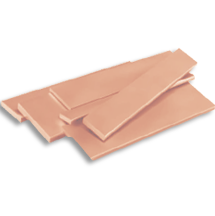
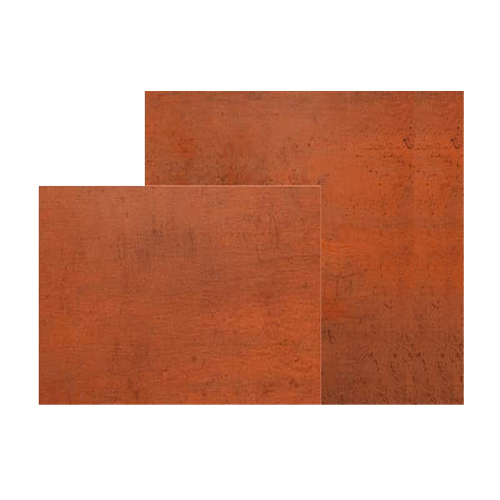
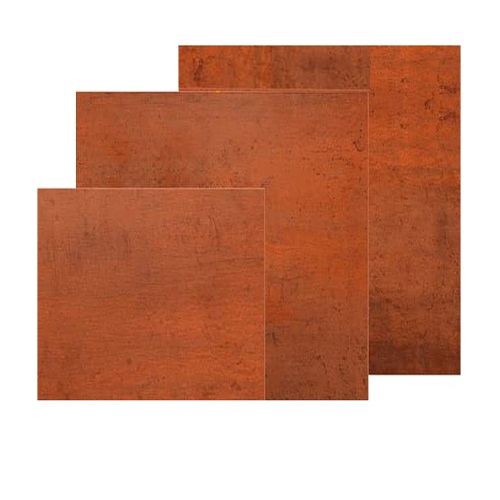
The materials we supply undergo a comprehensive range of quality assurance procedures, including eddy current testing, hydrostatic testing, ultrasonic examination, and other essential NDT methods, along with detailed chemical and mechanical property evaluations. Each product is thoroughly inspected at multiple stages of manufacturing to ensure it is free from defects and suitable for demanding industrial applications. Our rigorous testing standards guarantee consistent quality and reliability. In addition, all products are manufactured in accordance with relevant industry norms and specifications, making them fully compliant and widely accepted in both domestic and international markets.
CHEMICAL COMPOSITION OF CORTEN STEEL PLATES & SHEETS
| EN 10027-1 & CR 10260 | ||||||||||||
|---|---|---|---|---|---|---|---|---|---|---|---|---|
| According To | C % max. | Si % max. | Mn % | P % | S % max. | N % max. | Cr % | Cu % | V% | Ni% | Z% | Mo% |
| S235J0W | 0.13 | 0.40 | 0.20-0.60 | 0.04 | 0.04 | 0.01 | 0.40-0.80 | 0.25-0.55 | – | 0.65 | – | – |
| S235J2W | 0.13 | 0.40 | 0.20-0.60 | 0.04 | 0.03 | – | 0.40-0.80 | 0.25-0.55 | – | 0.65 | – | – |
| S355J0W | 0.12 | 0.75 | 1.00 | 0.06-0.15 | 0.04 | 0.01 | 0.30-1.25 | 0.25-0.55 | – | 0.65 | – | – |
| S355J2WP | 0.12 | 0.75 | 1.00 | 0.06-0.15 | 0.03 | – | 0.30-1.25 | 0.25-0.55 | – | 0.65 | – | – |
| S355J0W | 0.16 | 0.50 | 0.50-1.50 | 0.04 | 0.04 | 0.01 | 0.40-0.80 | 0.25-0.55 | – | 0.65 | 0.15 | 0.30 |
| S355J2W | 0.16 | 0.50 | 0.50-1.50 | 0.03 | 0.03 | – | 0.40-0.80 | 0.25-0.55 | – | 0.65 | 0.15 | 0.30 |
| S355K2W | 0.16 | 0.50 | 0.50-1.50 | 0.03 | 0.03 | – | 0.40-0.80 | 0.25-0.55 | – | 0.65 | 0.15 | 0.30 |
According To ASTM & ASME Specifications
| According To | C % max. | Si % | Mn % | P % | S % max. | N % max. | Cr % | Cu % | V% |
|---|---|---|---|---|---|---|---|---|---|
| A 588 Gr. A | 0.19 | 0.3-0.65 | 0.80-1.25 | 0.04 | 0.05 | – | 0.40-0.65 | 0.25-0.40 | 0.02-0.10 |
| A 588 Gr. B | 0.20 | 0.15-0.50 | 0.75-1.35 | 0.04 | 0.05 | – | 0.40-0.70 | 0.20-0.40 | 0.01-0.10 |
| A 588 Gr. C | 0.15 | 0.15-0.40 | 0.80-1.35 | 0.04 | 0.05 | – | 0.30-0.50 | 0.20-0.50 | 0.01-0.10 |
| A 588 Gr. K | 0.17 | 0.25-0.50 | 0.50-1.20 | 0.04 | 0.05 | – | 0.40-0.70 | 0.30-0.50 | – |
| A 242 Type-1 | 0.15 | – | 1.00 | 0.15 | 0.05 | – | 0.20-min. | ||
| A 242 Type-2 | 0.20 | – | 1.50 | 0.04 | 0.05 | – | 0.20-min. |
According To IS Standard
| According To | C % max. | Si % | Mn % | P % | S % max. | N % max. | Cr % | Cu % | V% | Ni% | Z% | Mo% |
|---|---|---|---|---|---|---|---|---|---|---|---|---|
| IRSM-41 | 0.10 | 0.30-0.50 | 0.25-0.45 | 0.075-0.14 | 0.03 | – | 0.35-0.49 | 0.30-0.60 | 0.05 | 0.28-0.49 | – | 0.05 |
Frequently Asked Questions (FAQs)
What is the difference between Corten A and Corten B Steel?
Corten A is primarily used for architectural applications due to its enhanced atmospheric corrosion resistance, while Corten B offers higher strength and is commonly used for structural applications such as bridges, railway wagons, and heavy engineering projects.
Why is Corten Steel called weathering steel?
Corten Steel develops a dense, protective rust-like patina when exposed to the atmosphere. This layer protects the underlying steel from further corrosion, eliminating the need for regular painting in many outdoor applications.
Where are Corten Steel Sheets & Plates commonly used?
Corten Steel is widely used in bridges, railway wagons, shipping containers, architectural facades, sculptures, chimneys, outdoor structures, storage tanks, industrial buildings, and heavy engineering applications.
Can Corten Steel be welded and fabricated?
Yes. Corten Steel Sheets & Plates offer good weldability and formability using suitable welding consumables and fabrication techniques recommended for weathering steel.
Does Corten Steel require painting?
In most outdoor environments, Corten Steel does not require painting because it forms a protective oxide layer that significantly slows further corrosion. However, coatings may be used for decorative or specific environmental requirements.
What are the advantages of Corten Steel Sheets & Plates?
Corten Steel offers excellent atmospheric corrosion resistance, high strength, long service life, low maintenance requirements, attractive appearance, and reduced life-cycle costs compared to conventional carbon steel.
Which industries use Corten Steel Plates?
Corten Steel Plates are widely used in construction, infrastructure, railways, power plants, mining, heavy engineering, transportation, marine, industrial fabrication, and architectural projects.
Does Ratnadeep Steel supply Corten Steel Sheets & Plates in custom sizes?
Yes. Ratnadeep Steel & Engg. Co. supplies Corten A and Corten B Steel Sheets & Plates in various thicknesses, widths, lengths, and custom dimensions to meet project-specific requirements worldwide.
Request a Quote
Looking for premium-quality Corten A and Corten B Steel Sheets & Plates? Our products are manufactured in compliance with ASTM A242, ASTM A588, and ASME SA588 standards. Contact Ratnadeep Steel & Engg. Co. for competitive pricing, custom sizes, mill test certificates, and worldwide delivery.
Contact Us