
Nickel Alloy 200/201 Flanges
High-Performance • Corrosion & Heat-Resistant • Marine & High-Temperature Applications
Get a QuoteOverview
Nickel Alloy Flanges are engineered for superior corrosion resistance, high strength, and durability. They are suitable for extreme chemical, marine, and high-temperature environments. These flanges are widely used in chemical processing, petrochemical, marine, and power generation industries.
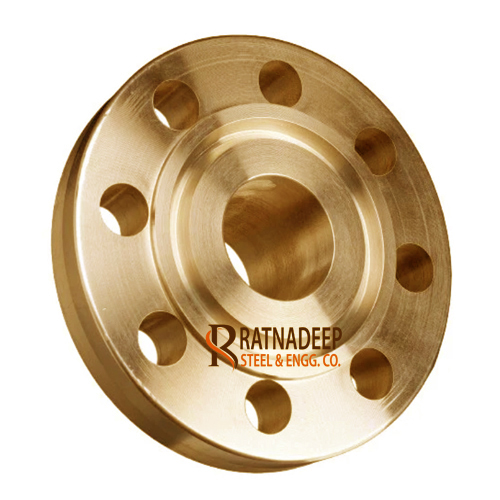
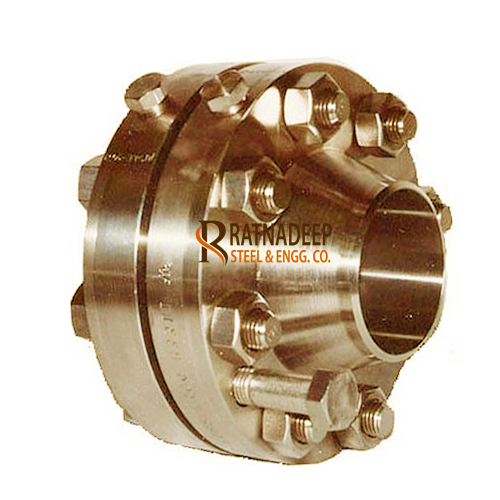
Types of Nickel Alloy Flanges
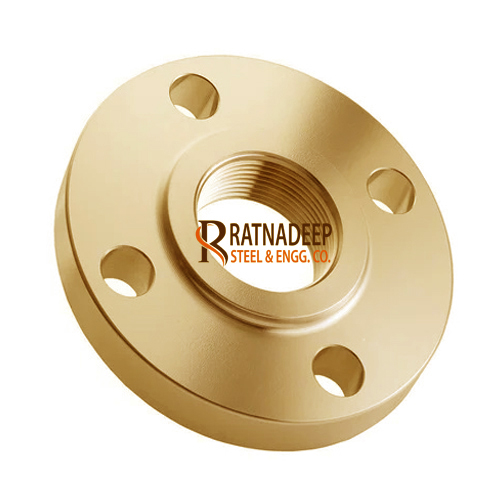
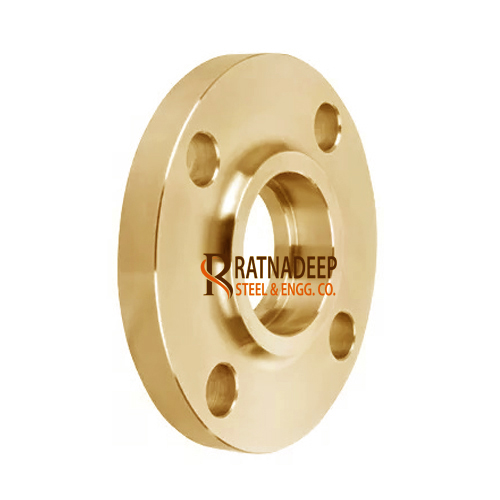
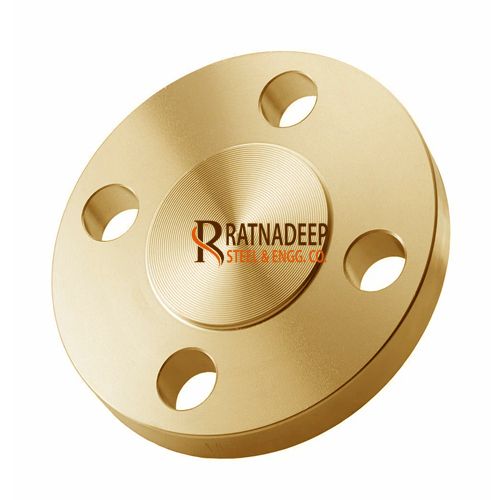
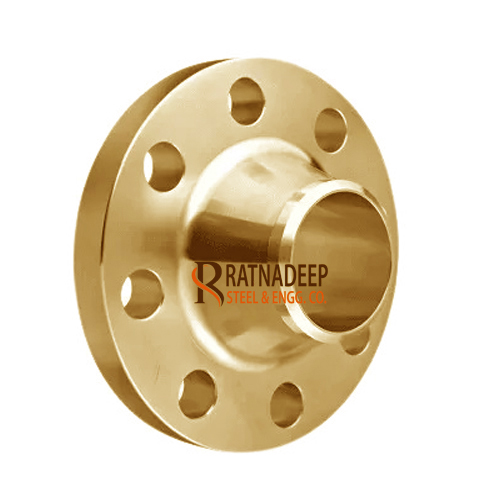
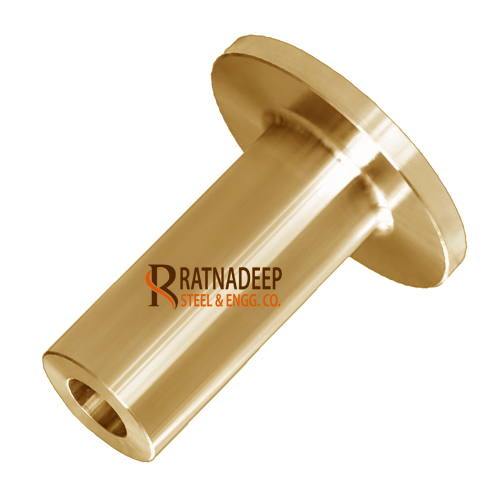
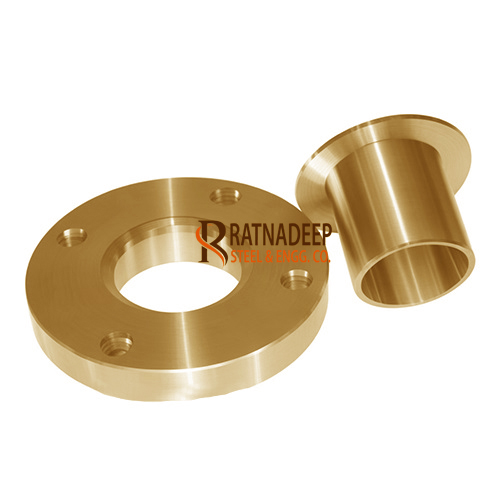
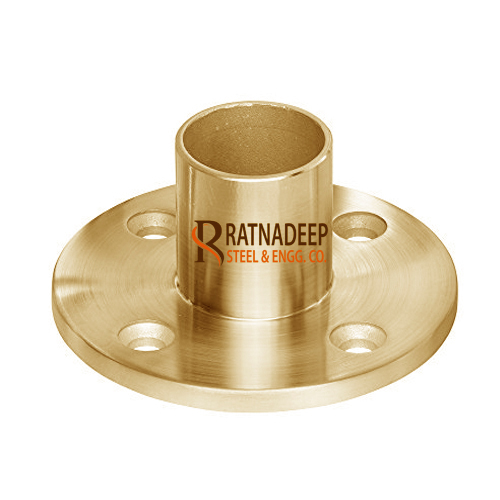
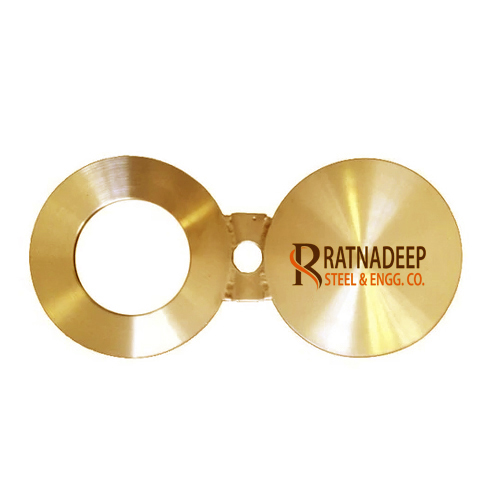
Technical Specifications
| Standard | Size Range | Pressure Rating | Face Type |
|---|---|---|---|
| ASME / ANSI B16.5 & B16.47 | ⅛” to 48” | 150# to 2500# | RF, RTJ |
| DIN | DN10 to DN2000 | PN6 to PN400 | RF, FF |
| BS / EN | Custom sizes | Class 150 – 2500 | RF, FF |
Material Grades / Alloys Included: Nickel 200, Nickel 201, Monel 400, Monel K-500, Inconel 600, Inconel 625, Incoloy 800, Hastelloy C-22, C-276, Cupro-Nickel (70/30, 90/10). These alloys cover a wide range of chemical, marine, desalination, and high-temperature applications.
These alloys cover a wide range of chemical, high-temperature, and marine applications.Chemical & Mechanical Properties
- Tensile Strength: 480–750 MPa (depending on alloy)
- Yield Strength: 205–450 MPa
- Hardness: 90–250 HB
- Excellent corrosion resistance in acids, alkalis, and seawater
- High-temperature strength and durability
Applications & Industries
Key Features & Benefits
- Wide range of corrosion-resistant alloys
- High strength and durability in extreme environments
- Available in multiple sizes, pressure ratings, and face types
- Resistant to acids, alkalis, and seawater
- Suitable for chemical, marine, and high-temperature applications
Certifications & Quality Assurance
- ISO Certified
- PED & IBR Approved
- Third-party inspection (TPI) available
- Mill Test Certificates (MTC) provided
Frequently Asked Questions
What alloys are included in Nickel Alloy Flanges?
Nickel Alloy Flanges include Nickel 200/201, Monel 400/K-500, Inconel 600/625, Incoloy 800, Hastelloy C-22/C-276, and Cupro-Nickel (70/30, 90/10), covering marine, desalination, chemical, and high-temperature applications.
Where are Nickel Alloy Flanges commonly used?
They are used in chemical, marine, petrochemical, and high-temperature industrial piping systems.
Can they withstand corrosive and high-temperature environments?
Yes, depending on the alloy grade, they are designed for extreme chemical and thermal conditions.
Difference Between Nickel Alloy 200 and 201 Flanges
| Property | Nickel 200 Flanges | Nickel 201 Flanges |
|---|---|---|
| UNS Number | N02200 | N02201 |
| Nickel Content | 99.0% Minimum | 99.0% Minimum |
| Carbon Content | Up to 0.15% | Up to 0.02% |
| High-Temperature Performance | Suitable for moderate elevated temperatures. | Preferred for temperatures above 600°F (315°C) due to lower carbon content. |
| Graphitization Resistance | Moderate resistance. | Superior resistance to graphitization during prolonged high-temperature exposure. |
| Corrosion Resistance | Excellent resistance to alkalis, caustic solutions, and reducing environments. | Similar corrosion resistance with improved stability at elevated temperatures. |
| Mechanical Properties | High ductility and toughness. | Slightly lower strength but improved long-term thermal stability. |
| Weldability | Excellent | Excellent |
| Typical Applications | Chemical processing, food handling equipment, caustic soda plants, and electronics. | Heat exchangers, evaporators, petrochemical equipment, and high-temperature processing systems. |
Selection Guide: Nickel 200 flanges are widely used for general corrosion-resistant applications involving caustic alkalis and reducing chemicals. Nickel 201 flanges contain lower carbon content, making them the preferred choice for elevated-temperature service where resistance to graphitization and long-term thermal stability are critical.
Request a Quote
Looking for high-performance Nickel Alloy Flanges? Get in touch with us today.
Contact Us