
Types of Flanges: Complete Guide to Industrial Pipe Flanges
Flanges connect pipes, valves, pumps, and other equipment in industrial piping systems. They create strong, leak-proof joints that keep plants running smoothly. Different flange types are built for different pressure, temperature, and operating needs. They also make it easy to inspect, clean, maintain, or modify a piping system — without cutting or welding the whole line.
Oil & gas, petrochemical, chemical processing, power generation, marine, water treatment, pharmaceuticals, food processing, and heavy engineering all rely on flanges to move fluids safely. Knowing what each flange type does — and where it works best — helps engineers pick the right one for the job.
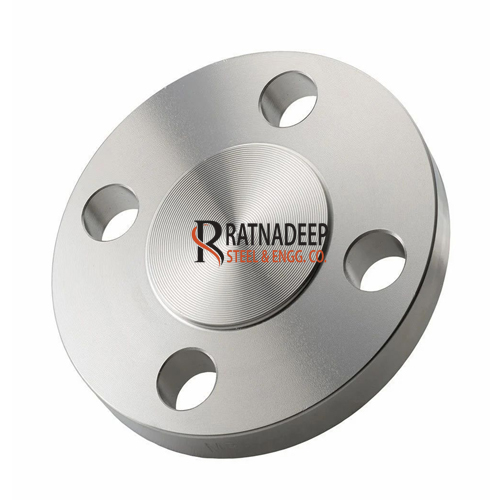
Blind Flange
A Blind Flange is a solid disc that seals the end of a pipeline, valve, or pressure vessel opening. It’s one of the most common flange types. Engineers use it to fully isolate a section of piping — often during maintenance, pressure testing, or future expansion work.
Industries: Oil & Gas, Petrochemical, Chemical Plants, Power Plants, Water Treatment, Marine.
Advantages: Complete pipeline closure, excellent pressure resistance, easy maintenance access.
FAQ: What is a Blind Flange used for?
It seals pipeline ends and pressure vessel openings, so maintenance teams can safely isolate a section of piping.
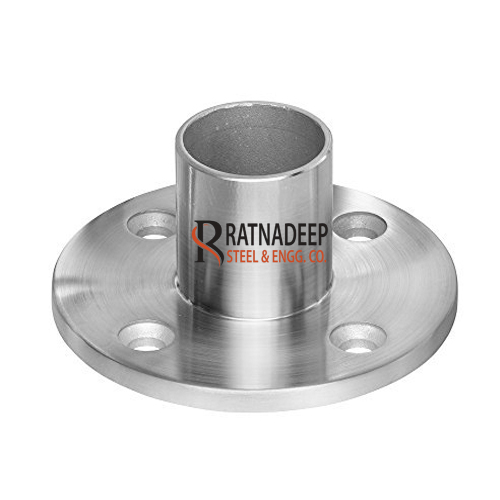
Deck Flange
A Deck Flange mounts onto a structural surface. You’ll find it mainly in marine and offshore installations, where it supports piping and adds structural stability.
Industries: Shipbuilding, Marine Engineering, Offshore Platforms, Naval Applications.
Advantages: Strong support, easy installation, improved equipment stability.
FAQ: Where are Deck Flanges used?
Mainly in shipbuilding and offshore structures.
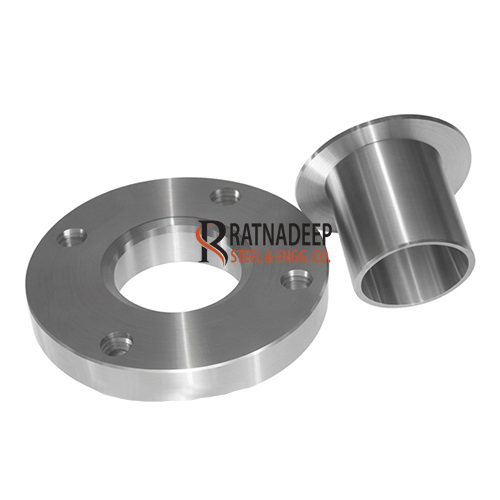
Lap Joint Flange
A Lap Joint Flange pairs with a stub end, which makes it a good fit for systems that get taken apart often. It’s flexible and simplifies bolt-hole alignment during installation.
Industries: Chemical Processing, Food Processing, Pharmaceutical, Water Treatment.
Advantages: Easy alignment, reduced installation time, ideal for maintenance-intensive systems.
FAQ: Why use Lap Joint Flanges?
They make installation easier and allow the system to be taken apart often.
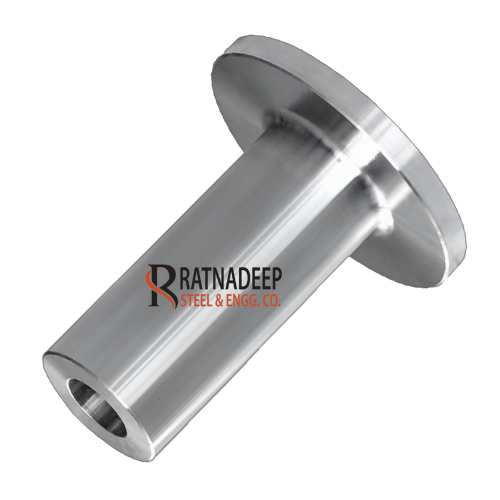
Long Weld Neck Flange
A Long Weld Neck Flange has an extended neck that adds reinforcement and spreads stress more evenly. It’s a common choice for high-pressure and high-temperature service.
Industries: Refineries, Nuclear Plants, Petrochemical Facilities, Power Generation.
Advantages: High strength, excellent pressure handling, superior reliability.
FAQ: Are Long Weld Neck Flanges suitable for high pressure?
Yes — they’re built specifically for demanding service conditions.
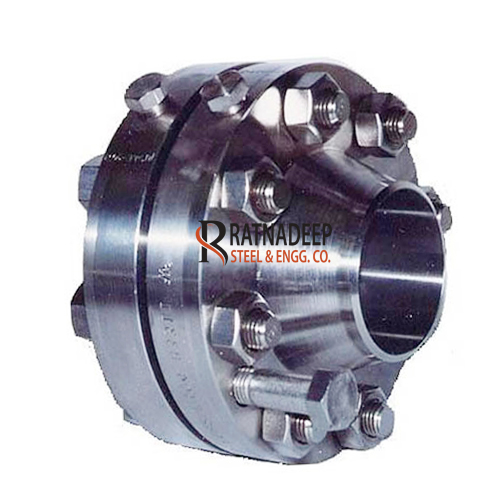
Orifice Flange
An Orifice Flange is built for flow measurement. It includes pressure taps that work with orifice plates to measure the flow of liquid, gas, or steam.
Industries: Oil & Gas, Petrochemical, Utilities, Chemical Processing.
Advantages: Accurate flow measurement, easy instrumentation installation.
FAQ: What is an Orifice Flange used for?
It measures flow rates in industrial piping systems.
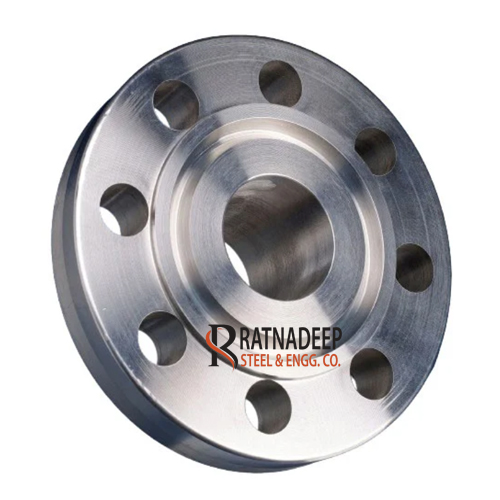
Ring Joint Flange
A Ring Joint Flange uses a metal ring gasket that sits in a precision-machined groove, creating a tight, reliable seal. It holds up well under extreme pressure and heat — which is why many refineries and offshore facilities use it for critical service.
Industries: Offshore Drilling, Refineries, Gas Processing, Petrochemical Plants.
Advantages: Exceptional sealing, leak resistance, long service life.
FAQ: When are Ring Joint Flanges preferred?
For high-pressure and high-temperature applications.
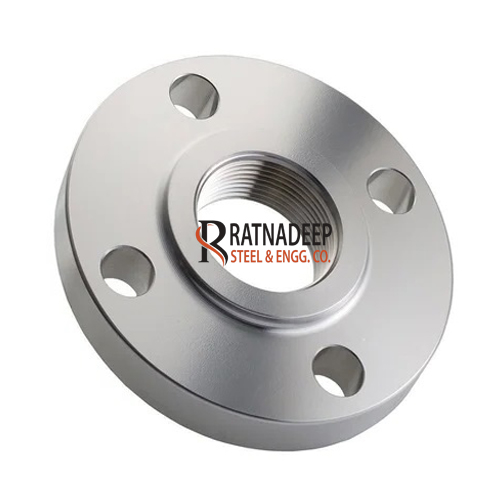
Slip On Flange
A Slip On Flange slides over the pipe before welding. It’s one of the most affordable flange types, which is why it shows up so often in low-pressure systems. It’s quick to align, quick to weld, and cuts down on installation time and cost.
Industries: Water Treatment, HVAC, Fire Protection, General Industrial Services.
Advantages: Easy installation, lower cost, reduced fabrication time.
FAQ: Why are Slip On Flanges popular?
They’re easy to install and cost-effective.
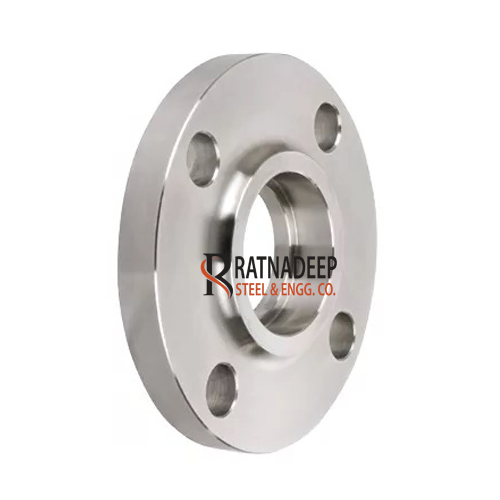
Socket Weld Flange
A Socket Weld Flange has a recessed area where the pipe slots in before welding. It gives a strong, leak-tight connection for small-diameter, high-pressure piping.
Industries: Steam Systems, Chemical Processing, Hydraulic Systems.
Advantages: Strong connection, excellent leak prevention, compact design.
FAQ: What pipe sizes are suitable for Socket Weld Flanges?
They’re commonly used on smaller-diameter piping.
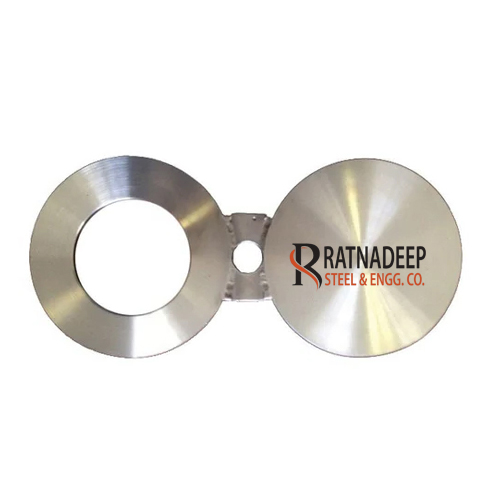
Spectacle Flange
A Spectacle Flange combines a solid disc and a ring, joined by a metal bar. Rotate it one way to stop flow, or the other way to allow it.
Industries: Refineries, Gas Processing Plants, Petrochemical Facilities.
Advantages: Easy isolation, enhanced safety, simple operation.
FAQ: Why are Spectacle Flanges used?
They let crews quickly isolate a section of piping during maintenance.
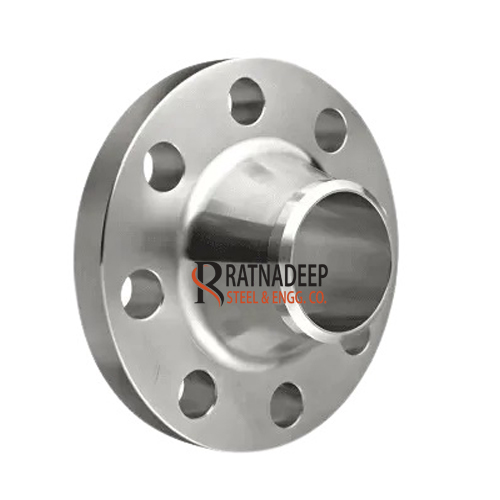
Weld Neck Flange
A Weld Neck Flange has a long, tapered hub that welds directly to the pipe. Of all flange types, it offers some of the best stress distribution and structural strength.
Industries: Oil & Gas, Fertilizer Plants, Power Plants, Chemical Processing.
Advantages: Excellent strength, superior stress distribution, high reliability.
FAQ: Which flange is best for critical applications?
Weld Neck Flanges are widely seen as the top choice for critical service.
Frequently Asked Questions About Types of Flanges
What are the most common types of flanges?
Blind, Weld Neck, Slip On, Socket Weld, Lap Joint, Ring Joint, Spectacle, Orifice, Deck, and Long Weld Neck Flanges.
Which flange is best for high-pressure applications?
Weld Neck, Long Weld Neck, and Ring Joint Flanges are the usual picks.
Which industries use industrial flanges?
Oil & Gas, Petrochemical, Chemical Processing, Power Generation, Marine, Pharmaceutical, Food Processing, and Water Treatment.
How to Select the Right Type of Flange
Start with your system’s operating pressure and temperature. Then think about the fluid running through the pipeline. Finally, factor in maintenance needs and installation conditions before you decide.
For high-pressure jobs, many engineers reach for Weld Neck Flanges — they offer superior strength. When cost and simple installation matter more, Slip On Flanges are often the better fit.
Systems that need frequent maintenance usually do well with Lap Joint Flanges. Facilities that need reliable flow measurement typically install Orifice Flanges. In short: know your operating conditions, and the right flange becomes an easy call.
Conclusion
Knowing the different types of flanges helps engineers and buyers pick the right piping connection for the job. Each type has its own strengths — in pressure handling, sealing, ease of maintenance, and installation. Choose the right one, and you improve safety, reliability, and long-term performance across the system.