
Overview
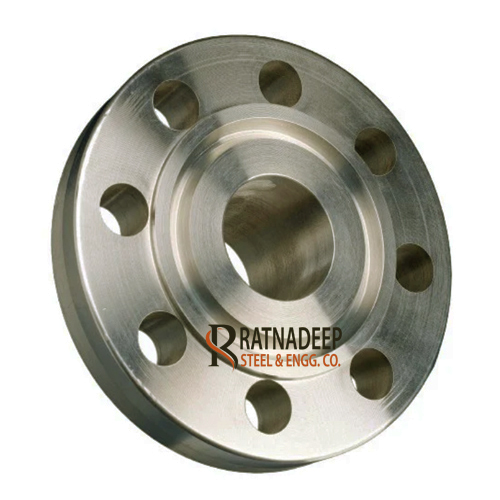
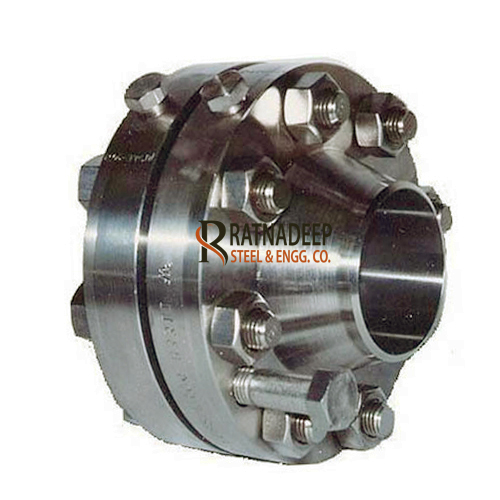
Nickel Flanges are corrosion-resistant and durable, suitable for high-temperature and chemical environments. They are widely used in chemical processing, petrochemical plants, marine applications, and industrial piping systems.
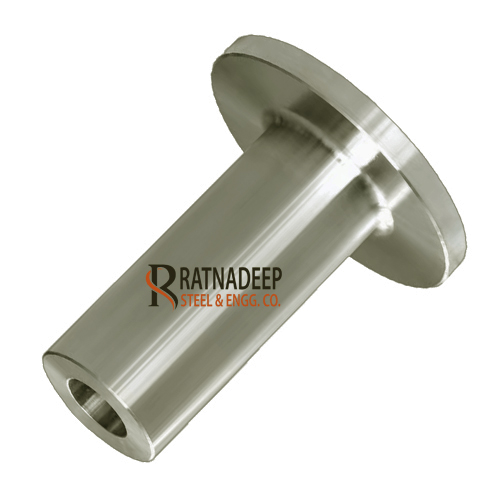
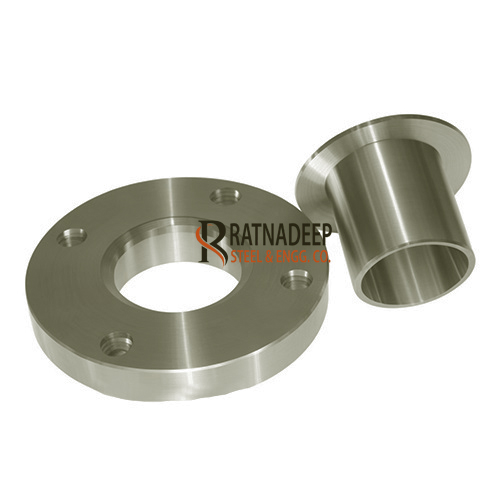
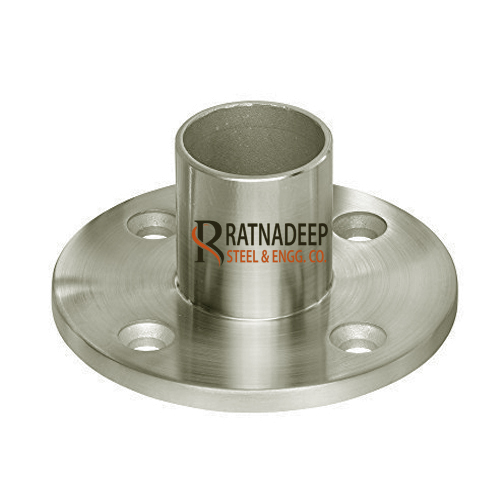
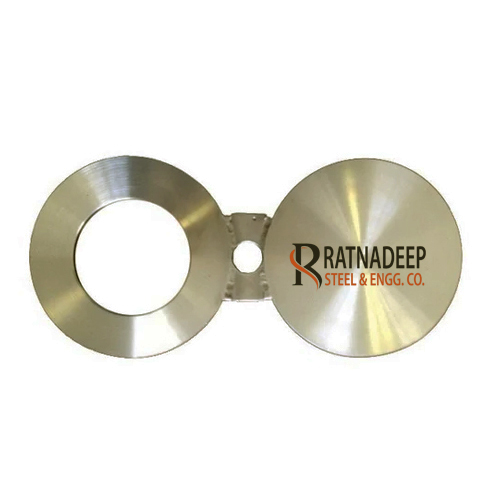
Types of Nickel Flanges
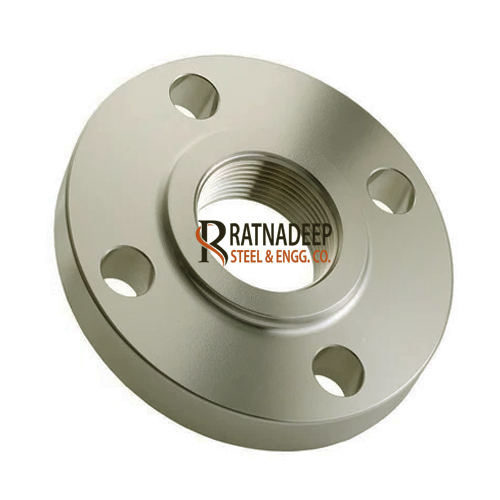
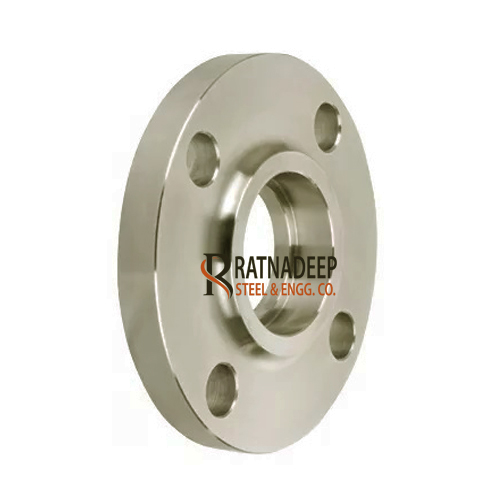
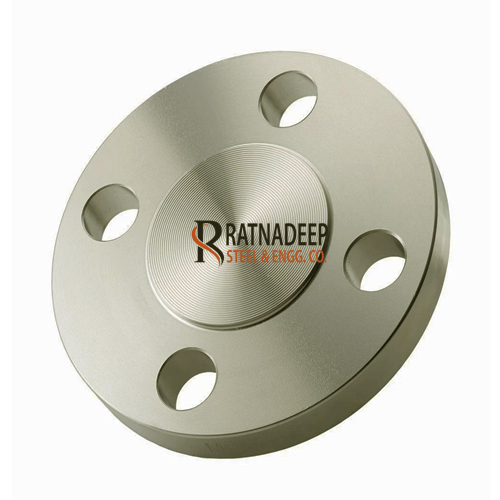
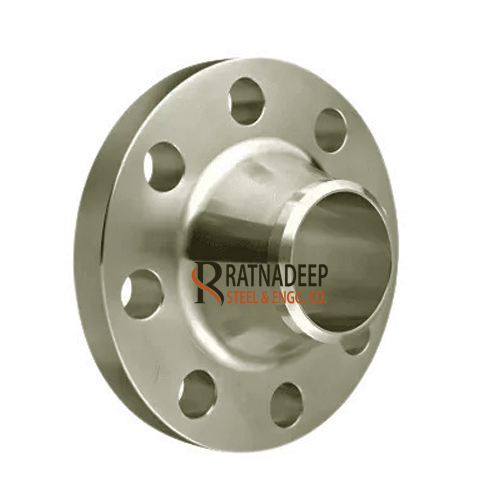
Technical Specifications
| Standard | Size Range | Pressure Rating | Face Type |
|---|---|---|---|
| ASME / ANSI B16.5 & B16.47 | ⅛” to 48” | 150# to 2500# | RF, RTJ |
| DIN | DN10 to DN2000 | PN6 to PN400 | RF, FF |
| BS / EN | Custom sizes | Class 150 – 2500 | RF, FF |
Material Grades: Nickel 200, Nickel 201, Nickel alloys suitable for chemical, marine, and high-temperature applications.
Chemical & Mechanical Properties
- Tensile Strength: 550–700 MPa
- Yield Strength: 200–380 MPa
- Hardness: 90–180 HB
- Excellent corrosion resistance in acids and seawater
- High ductility and toughness for industrial applications
Applications & Industries
Key Features & Benefits
- High corrosion resistance in acidic and marine environments
- Durable and long-lasting under high pressure and temperature
- Available in multiple sizes, ratings, and face types
- Excellent ductility and mechanical strength
- Suitable for chemical, marine, and industrial piping
Certifications & Quality Assurance
- ISO Certified
- PED & IBR Approved
- Third-party inspection (TPI) available
- Mill Test Certificates (MTC) provided
Frequently Asked Questions
Where are Nickel Flanges commonly used?
They are primarily used in chemical, marine, and industrial piping systems where corrosion resistance is critical.
What’s the difference between Nickel 200 and 201?
Nickel 201 has lower carbon content, providing better resistance to sensitization at elevated temperatures compared to Nickel 200.
Can Nickel Flanges withstand acidic and seawater environments?
Yes, they are highly resistant to acids, alkalis, and seawater corrosion.
Request a Quote
Looking for high-performance Nickel Flanges? Get in touch with us today.
Contact Us