
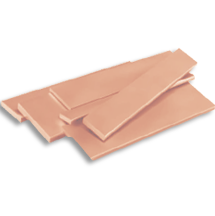
Sheet vs Plate – Key Differences Explained
Metal sheets and plates may look similar, but they serve very different purposes in manufacturing and engineering. The difference mainly lies in their thickness, but this small variation completely changes their strength, bendability, applications, and the way they are processed.
Below is a clean and easy-to-interpret comparison table that helps you understand both materials clearly.
| Aspect | Sheet | Plate |
|---|---|---|
| Thickness | Generally below 6 mm | 6 mm and above |
| Flexibility | More flexible, easy to bend or roll | Rigid and difficult to bend |
| Strength | Suitable for moderate strength applications | Designed for heavy-duty, high-load applications |
| Weight | Lighter and easier to handle | Heavier, requires special lifting or handling |
| Common Uses | Automotive panels, roofing, appliances, decorative components | Shipbuilding, pressure vessels, heavy machinery, construction |
| Surface Finish | Smoother, often preferred where appearance matters | May have mill scale, used where functionality matters more |
| Fabrication | Easy to cut, weld, form, or punch | Requires heavy-duty equipment for machining |
| Cost | More economical for lightweight applications | Higher cost due to thickness and increased material weight |
In simple words:
SHEET = Thin, flexible, and lightweight
PLATE = Thick, strong, and built for heavy-duty performance
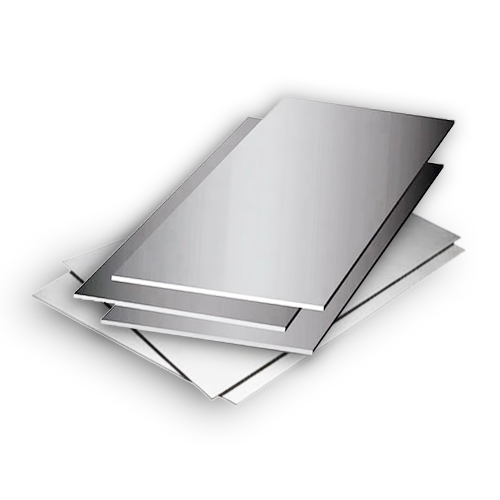
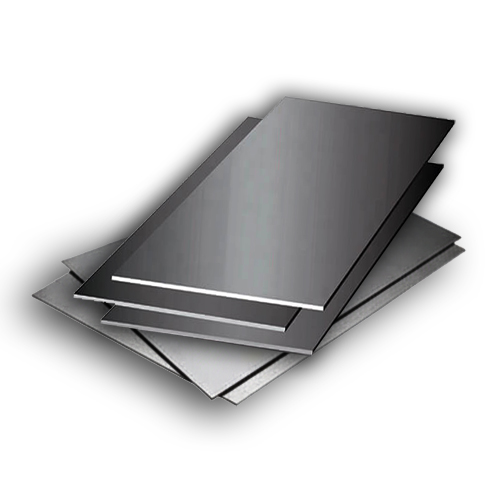
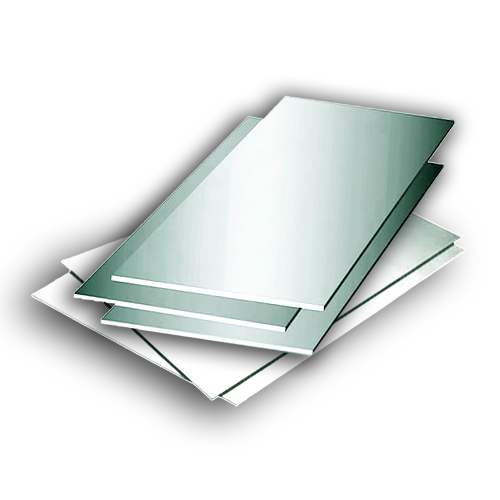
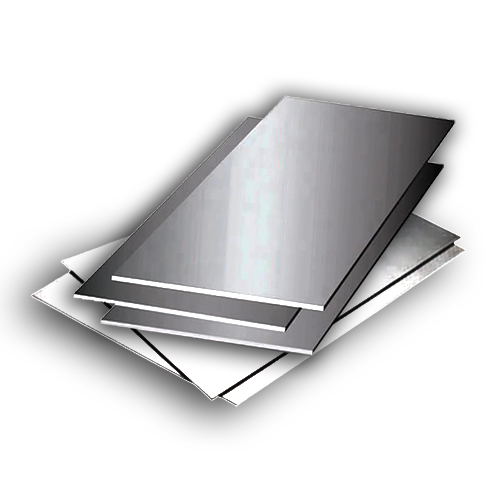
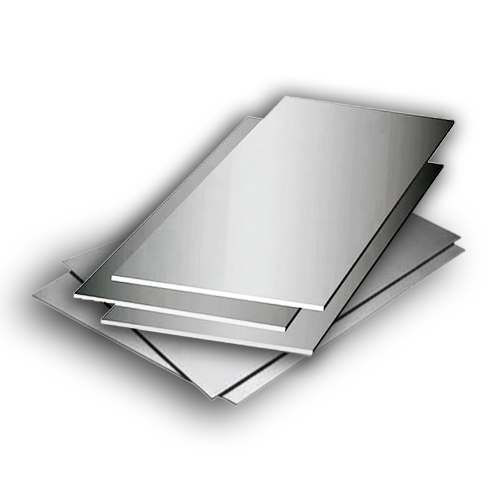
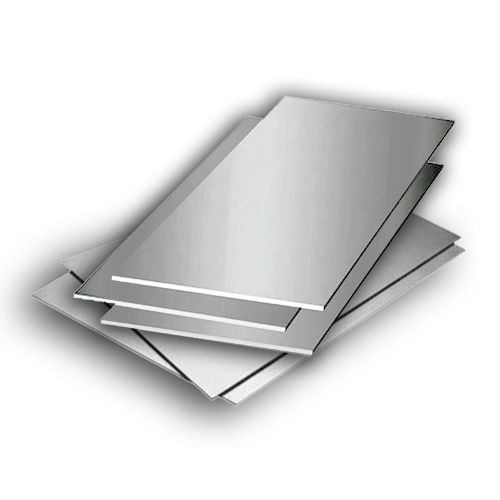
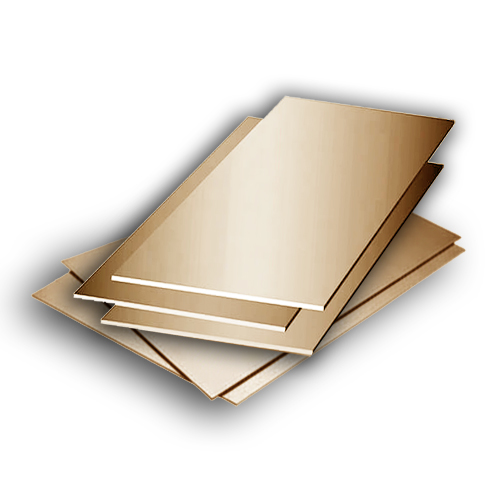
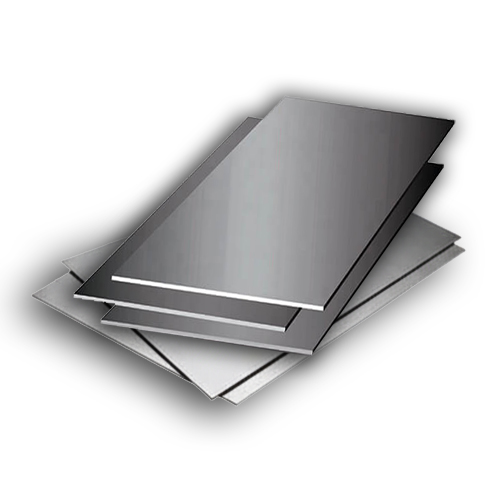
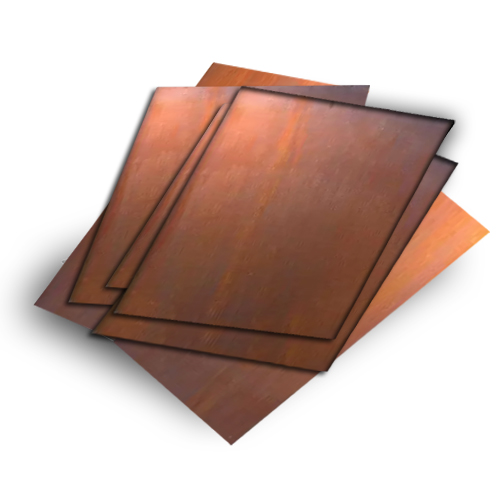
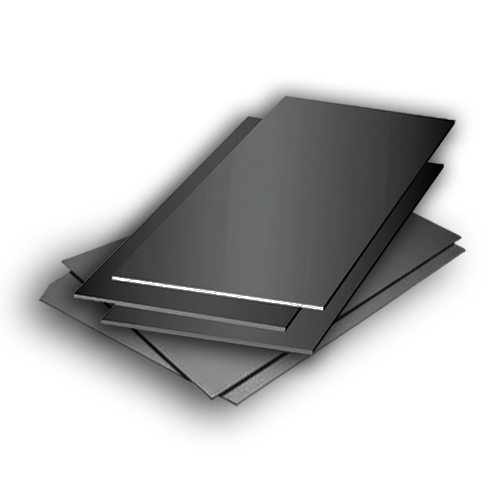
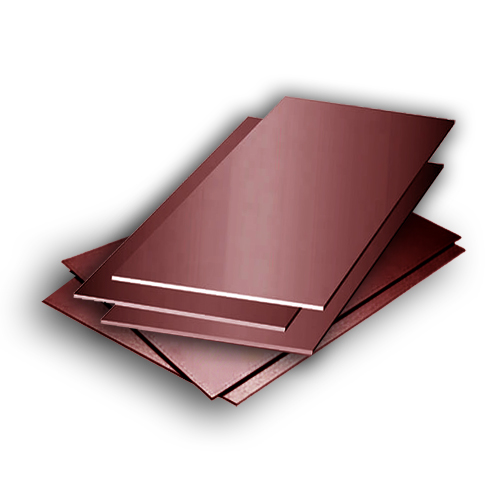
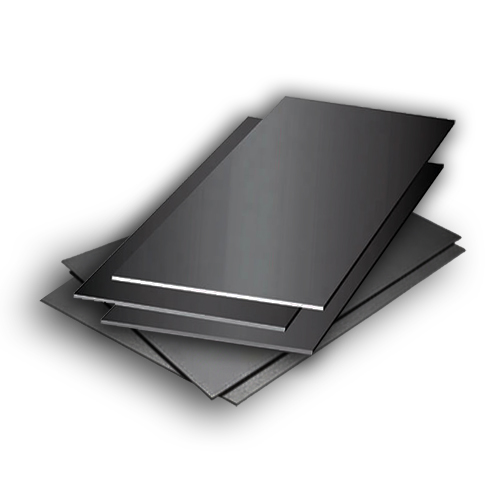
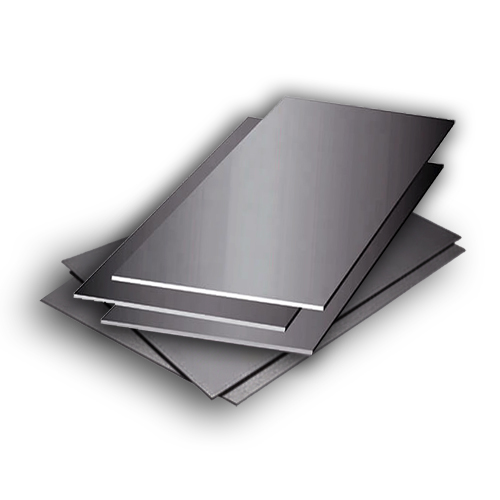
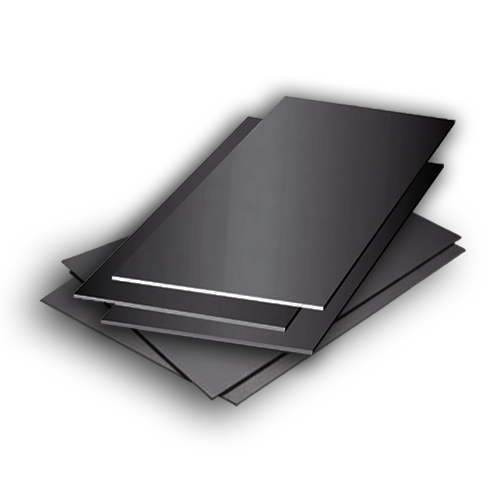
Our range of high quality sheets & plates
Request a Quote
Looking for high-quality Sheets and Plates? Get in touch with us today.
Contact Us