
Difference Between a Pipe & a Tube
Pipes and tubes are often confused because they look similar, but in industrial applications they serve very different purposes. Pipes are primarily designed for transporting fluids and gases, whereas tubes are used when precision, structural strength, and exact dimensions are required. Understanding these differences helps engineers, buyers, and fabricators choose the right product for their specific application.
| Aspect | Pipe | Tube |
|---|---|---|
| Primary Use | Fluid and gas transportation (water, oil, steam, chemicals). | Structural, mechanical, and engineering applications requiring precision. |
| Measurement Standard | Measured by nominal size and schedule (wall thickness). | Measured by exact outside diameter and wall thickness. |
| Dimensional Accuracy | Lower dimensional tolerance; small variations acceptable. | High precision and strict dimensional tolerances. |
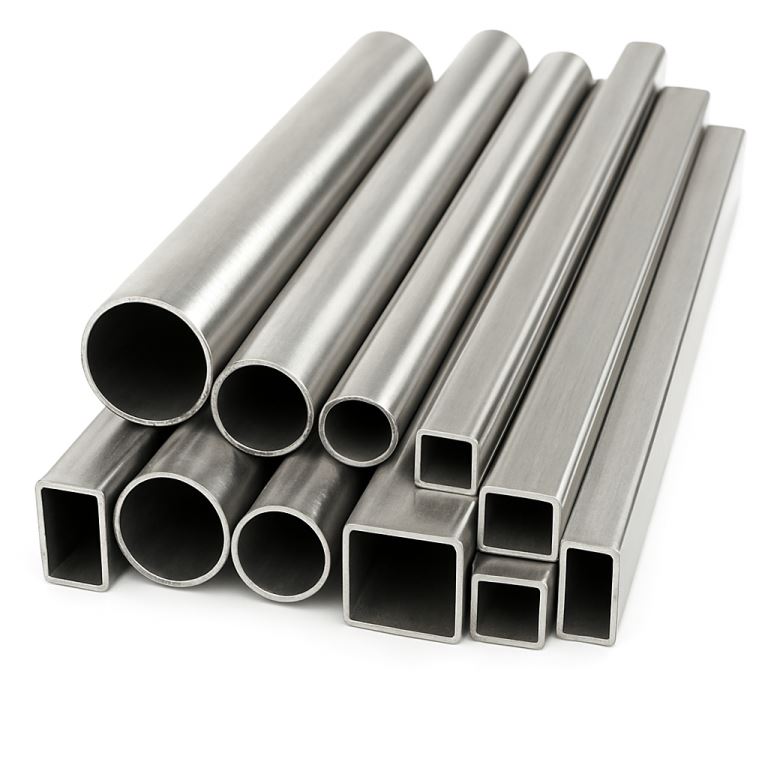
| Shape | Always round. | Round, square, or rectangular. |
| Application Focus | Volume flow & pressure handling. | Strength, structural integrity & exact fitment. |
| Common Industries | Oil & gas, water supply, boilers, chemical plants. | Automotive, construction, instrumentation, aerospace. |
| Cost Factor | Generally more economical. | Typically higher cost due to tighter tolerances. |
In summary, pipes move fluids, while tubes provide structural strength and precision. Choosing between the two depends on whether your priority is flow capacity and pressure, or accuracy and mechanical performance.
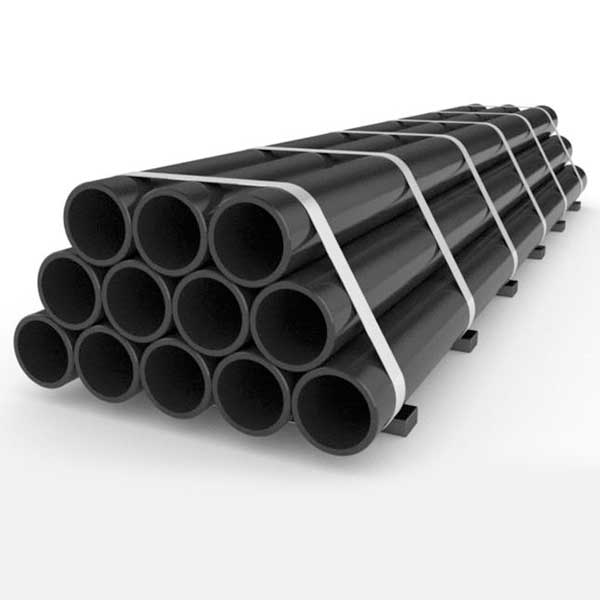
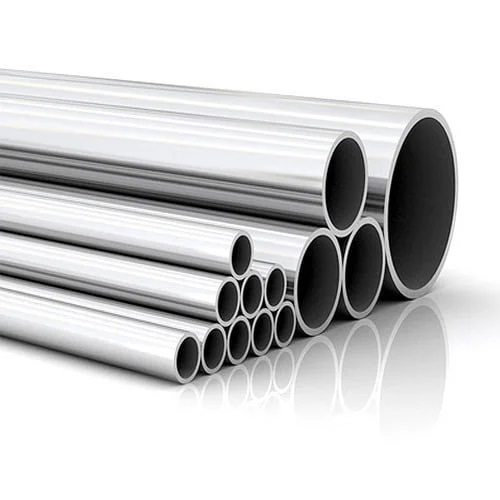
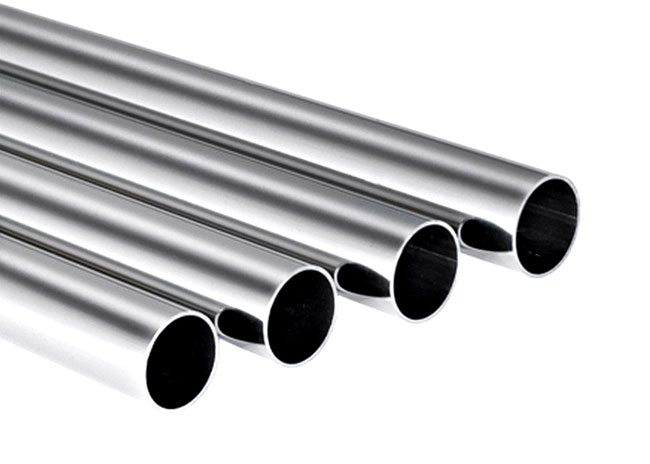
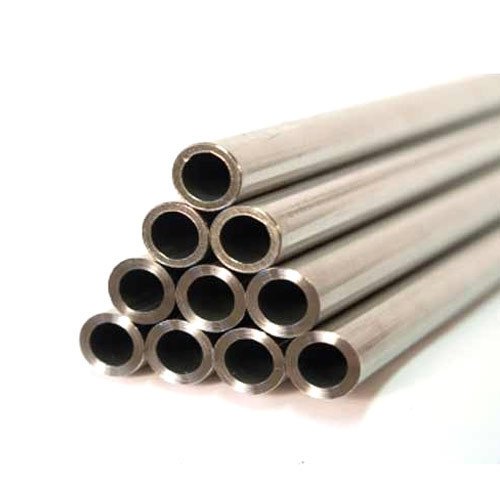
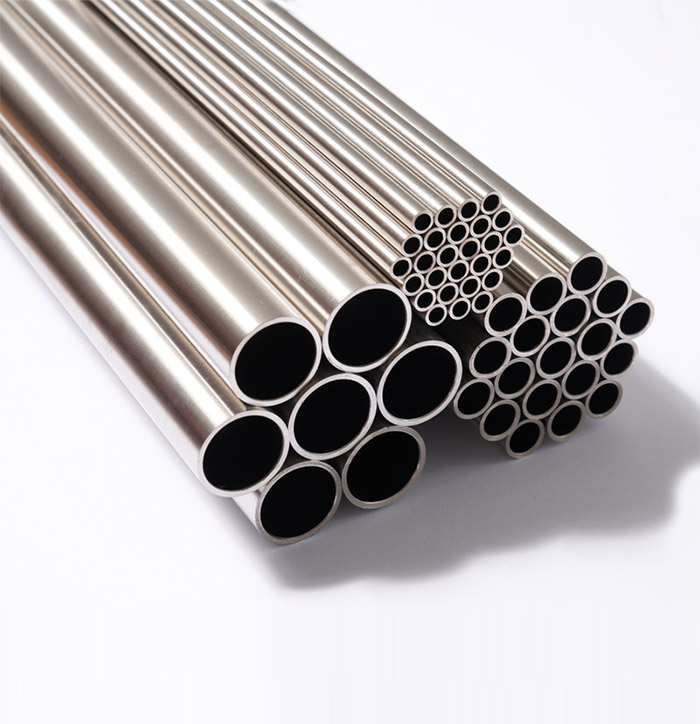
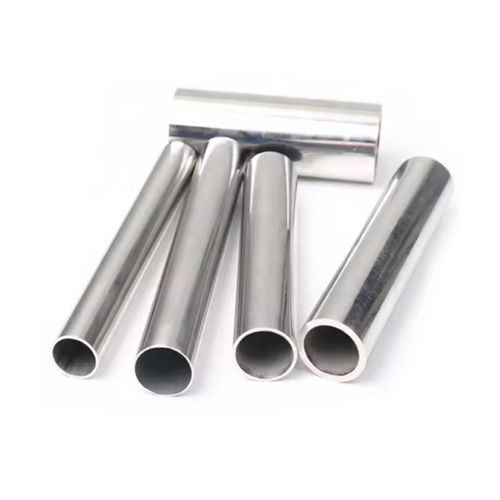
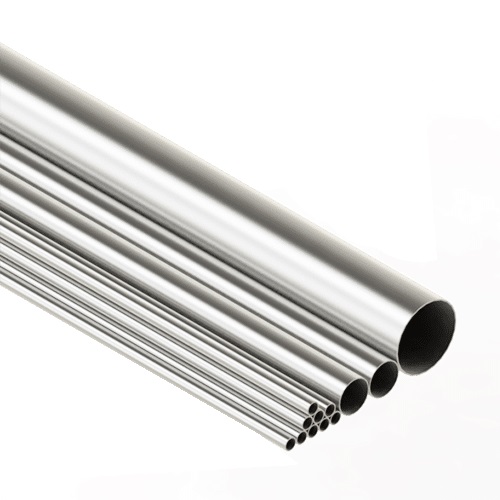
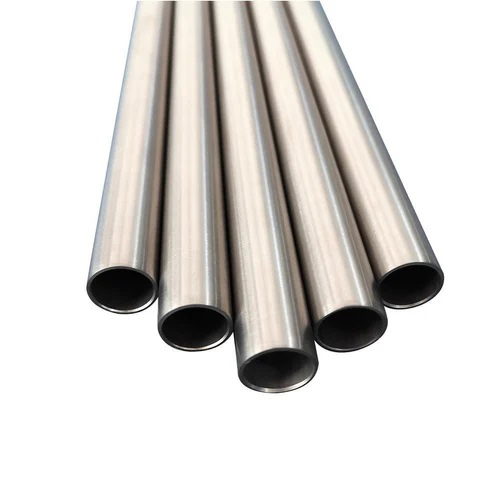
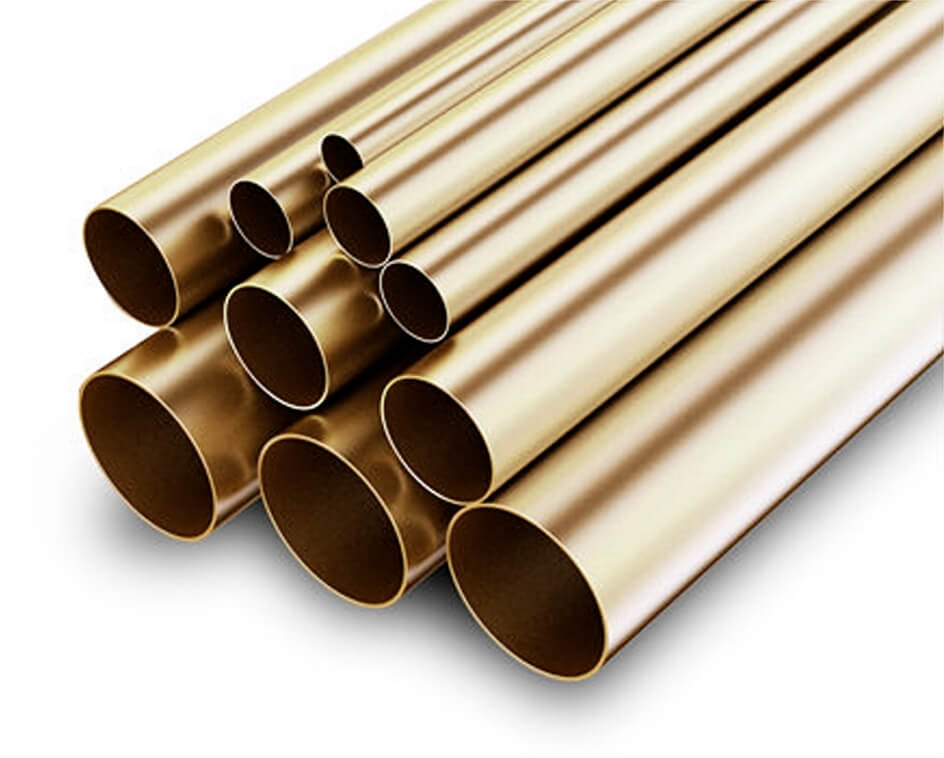
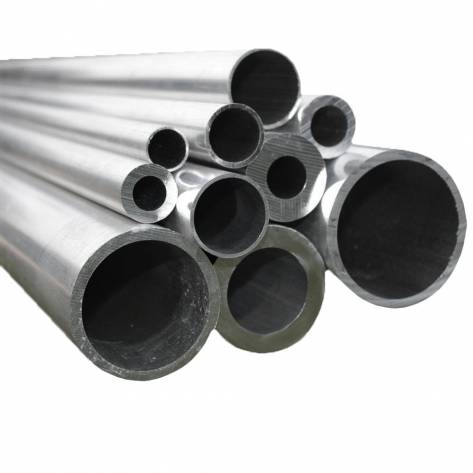
Our range of high quality pipes and tubes
Request a Quote
Looking for premium Pipes & Tubes? Contact us today to get the best prices.
Contact Us