
High Quality SS 304/304L/304H Round Bars & Rods
Mechanical Strength • Accuracy & Straightness • Quality & Finish
Get a QuoteStainless Steel 304 / 304L / 304H Explained
Stainless Steel 304, 304L, and 304H are the most widely used austenitic chromium–nickel stainless steels, known for their excellent corrosion resistance, formability, and broad industrial usability. These grades provide outstanding resistance to atmospheric corrosion, oxidation, and many mildly aggressive chemical environments. While SS 304 is the standard all-purpose grade, SS 304L contains lower carbon for improved weldability and resistance to intergranular corrosion, and SS 304H is engineered with higher carbon for enhanced strength and creep resistance at elevated temperatures.
Extensively used in food processing equipment, architectural structures, chemical tanks, pressure vessels, piping systems, and heat exchangers, SS 304/304L/304H offer an excellent balance of mechanical strength, fabrication ease, hygiene, and long service life. Their superior weldability, non-magnetic nature in annealed condition, and cost-effectiveness make them the preferred stainless steels for moderate temperature and corrosion-resistant applications.
Other Types of Stainless Steel 304 / 304L / 304H Bars
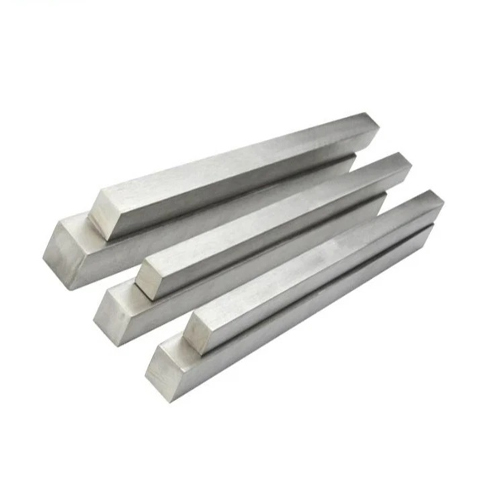
- SS 304 / 304L / 304H Square Bar & Rod
- UNS S30400 / S30403 / S30409 Square Bar
- ASTM A276 / ASME SA276 Stainless Steel
- DIN 1.4301 / 1.4307 Precision Square Bar
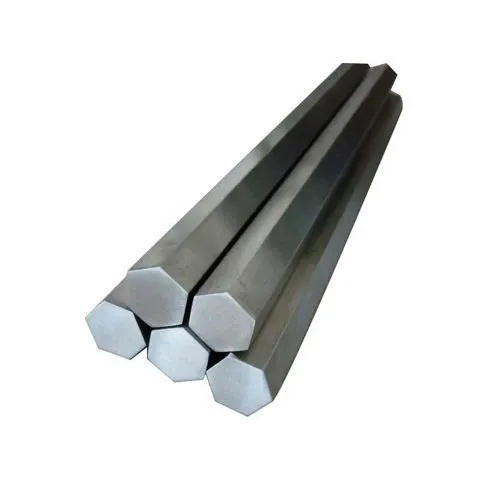
- ASTM A276 SS 304 Hexagonal Bar
- SS 304L / 304H Cold Drawn Hex Bar
- DIN 1.4301 / 1.4307 Hex Rod
- UNS S30400 Stainless Steel Hex Bar
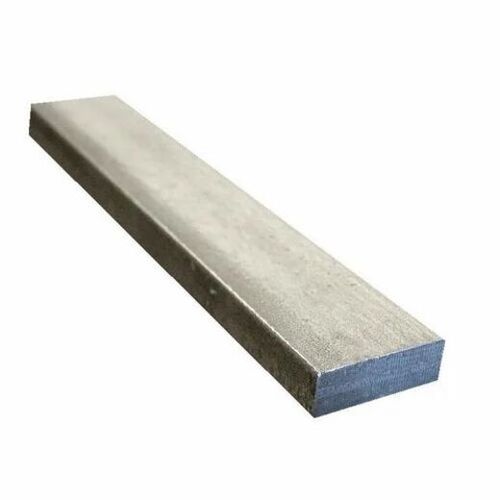
- SS 304 / 304L / 304H Rectangular Bar
- ASTM A276 Stainless Steel Flat Rectangle
- DIN 1.4301 Machined Rectangular Bar
- UNS S30409 High Temperature Grade Bar
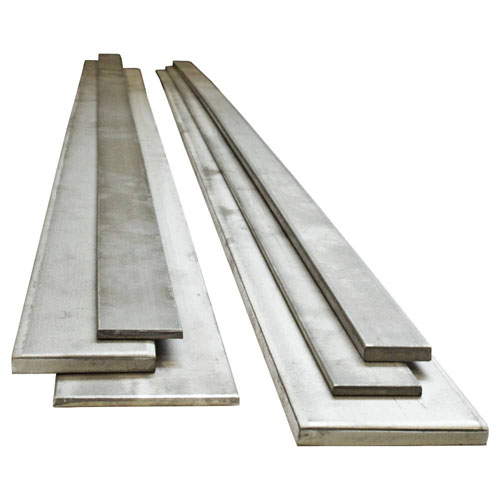
- SS 304 / 304L / 304H Flat Bar Supplier
- ASTM A276 Hot Rolled & Cold Finished
- DIN 1.4301 Stainless Steel Flat Strip
- UNS S30400 Industrial Flat Bar
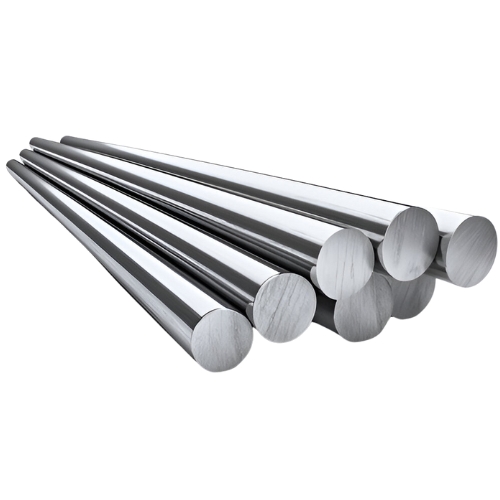
- ASTM A276 SS 304 Bright Drawn Bar
- SS 304L / 304H Precision Bright Rod
- UNS S30400 Mirror Finish Bright Bar
- Cold Drawn & Peeled Stainless Steel
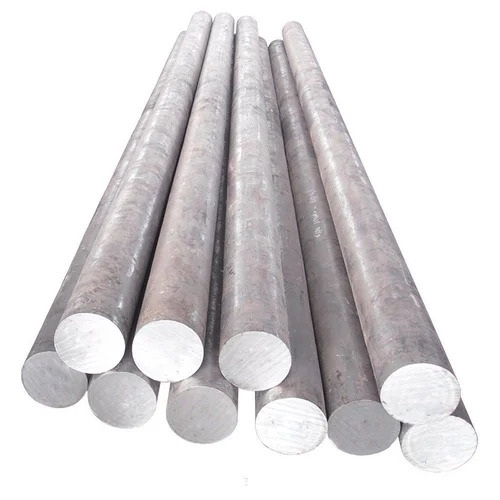
- UNS S30400 / S30403 / S30409 Forged Bar
- ASTM A276 Heavy Duty Forged Rod
- SS 304H High Strength Forged Bar
- DIN 1.4301 Stainless Steel Forgings
304/304L/304H STAINLESS STEEL ROUND BAR EQUIVALENT GRADES
| STANDARD | UNS | WNR. | AFNOR | EN | JIS | BS | GOST |
|---|---|---|---|---|---|---|---|
| SS 304 | S30400 | 1.4301 | Z7CN18-09 | X5CrNi18-10 | SUS 304 | 304S31 | 08X18H10 |
| SS 304L | S30403 | 1.4306 / 1.4307 | Z3CN18-10 | X2CrNi18-9 / X2CrNi19-11 | SUS 304L | 304S11 | 03X18H11 |
| SS 304H | S30409 | 1.4301 | — | — | — | — | — |
SPECIFICATION OF STAINLESS STEEL 304/304L/304H ROUND BAR
| Stainless Steel Round Bar Specification | ASTM A276 / A479, ASME SA276 / SA479 |
|---|---|
| Dimension Standard | EN, DIN, JIS, ASTM, BS, ASME, AISI |
| Size | 14 mm to 300 mm |
| Length | 50 mm to 6000 mm (Custom Cut Length) |
| Form | Round, Square, Hex (A/F), Rectangle, Billet, Ingot, Forged |
CHEMICAL COMPOSITION OF STAINLESS STEEL 304/304L/304H ROUND BAR
| Grade | C% | Mn% | Si% | P% | S% | Cr% | Ni% | N% |
|---|---|---|---|---|---|---|---|---|
| 304 | 0.07 max | 2.0 max | 0.75 max | 0.045 max | 0.03 max | 18.0 – 20.0 | 8.0 – 10.5 | — |
| 304L | 0.03 max | 2.0 max | 0.75 max | 0.045 max | 0.03 max | 18.0 – 20.0 | 8.0 – 12.0 | 0.10 max |
| 304H | 0.04 – 0.10 | 2.0 max | 0.75 max | 0.045 max | 0.03 max | 18.0 – 20.0 | 8.0 – 10.5 | 0.10 max |
MECHANICAL PROPERTIES OF STAINLESS STEEL 304/304L/304H ROUND BAR
| Grade | Tensile Strength (ksi) | Yield Strength 0.2% (ksi) | Elongation (%) | Hardness (Brinell) MAX | Hardness (Rockwell B) MAX |
|---|---|---|---|---|---|
| 304 | 75 min | 30 min | 40 | 201 | 92 |
| 304L | 70 min | 25 min | 40 | 201 | 92 |
| 304H | 75 min | 30 min | 40 | 201 | 92 |
PHYSICAL PROPERTIES OF SS 304 / 304L ROUND BAR
| Density (lb/in³) | Thermal Conductivity (BTU/h·ft·°F) | Electrical Resistivity (×10⁶) | Modulus of Elasticity (psi ×10⁶) | Coefficient of Thermal Expansion (×10⁶) | Specific Heat (BTU/lb·°F) | Melting Range (°F) |
|---|---|---|---|---|---|---|
| 0.285 at 68°F | 9.4 at 212°F 12.4 at 932°F |
28.3 at 68°F 39.4 at 752°F 49.6 at 1652°F |
28 | 9.4 (32–212°F) 10.2 (32–1000°F) 10.4 (32–1500°F) |
0.1200 (68–212°F) | 2500 – 2590 |
PHYSICAL PROPERTIES OF SS 304H ROUND BAR
| Density (lb/in³) | Coefficient of Thermal Expansion | Thermal Conductivity (BTU/h·ft·°F) | Specific Heat (BTU/lb·°F) | Modulus of Elasticity (psi) |
|---|---|---|---|---|
| 0.285 at 68°F | 9.2 (68–212°F) 11.0 (68–1600°F) |
9.4 at 212°F 12.4 at 932°F |
0.12 (32–212°F) | 29 × 10⁶ (E) |
Request a Quote
Looking for high-quality Stainless Steel 304 / 304L / 304H round bars & rods? Get in touch with us today.
Contact Us