
Overview
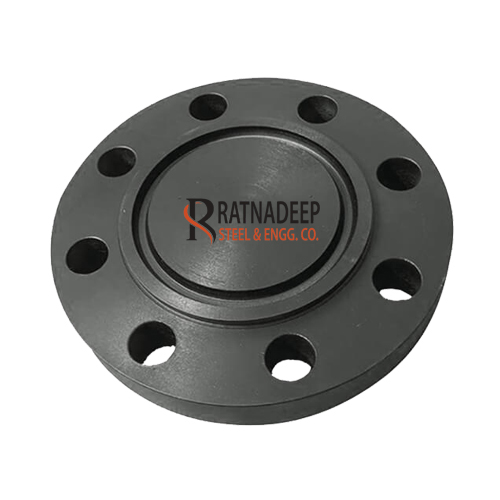
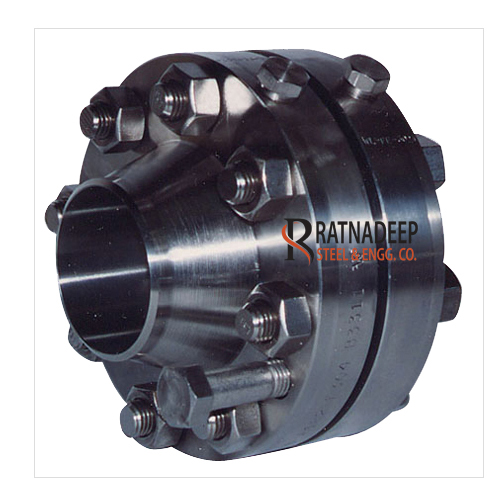
Carbon Steel Flanges are widely used for joining pipes, valves, pumps, and other equipment in oil & gas, petrochemical, power generation, and water treatment industries. They provide leak-proof connections, strength, and durability under high pressure and temperature.
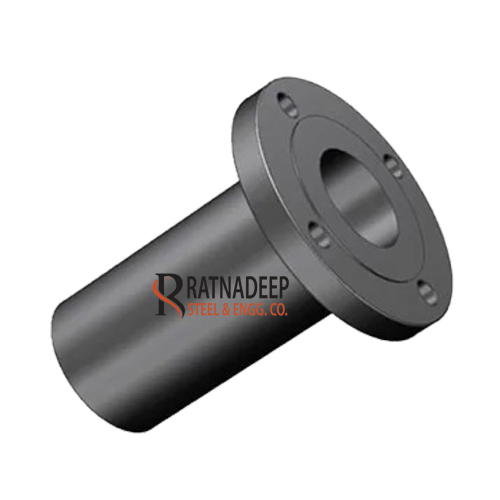
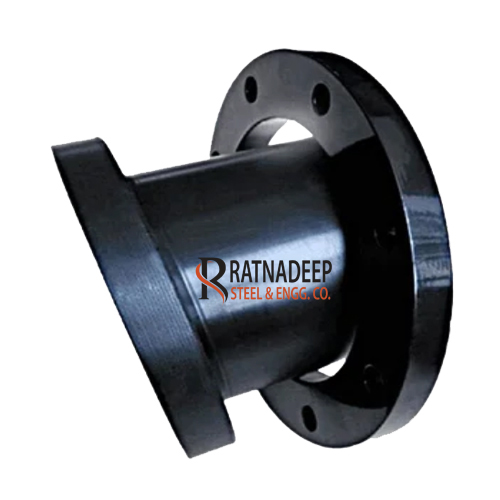
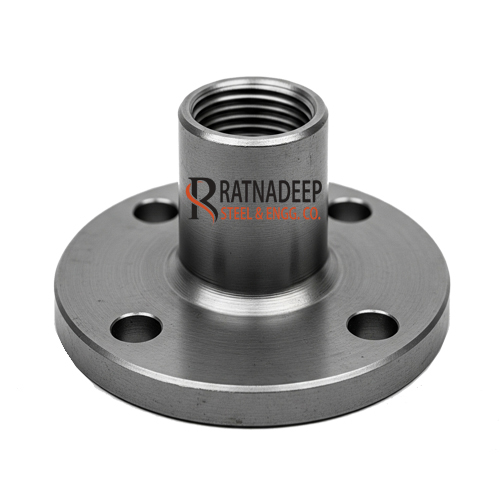
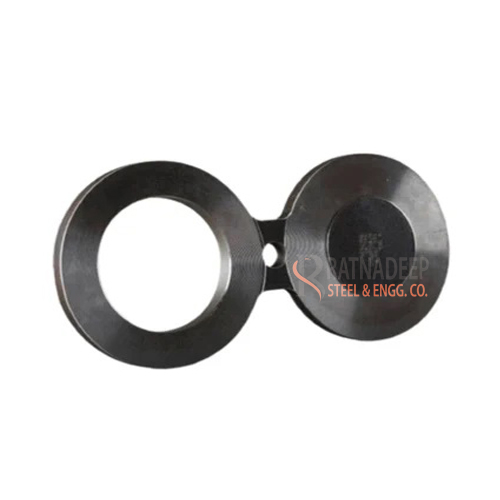
Types of Carbon Steel Flanges
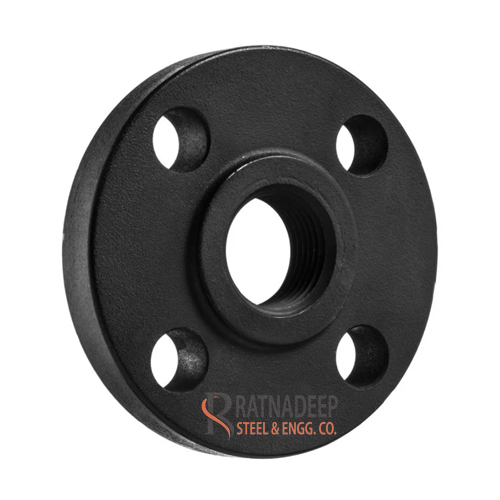
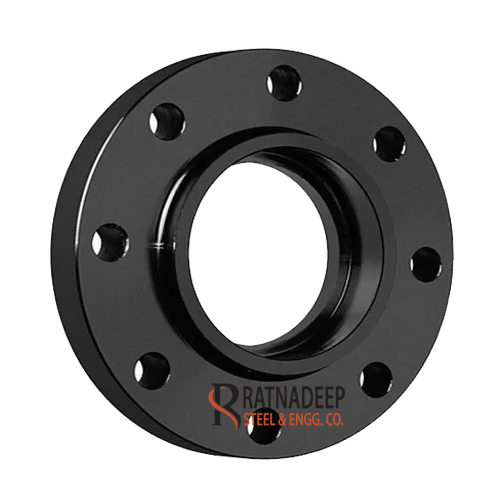
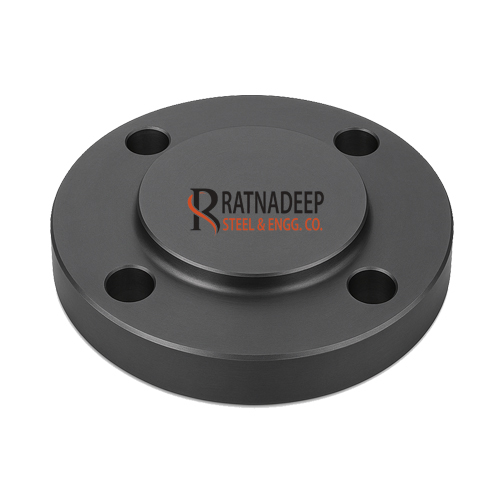
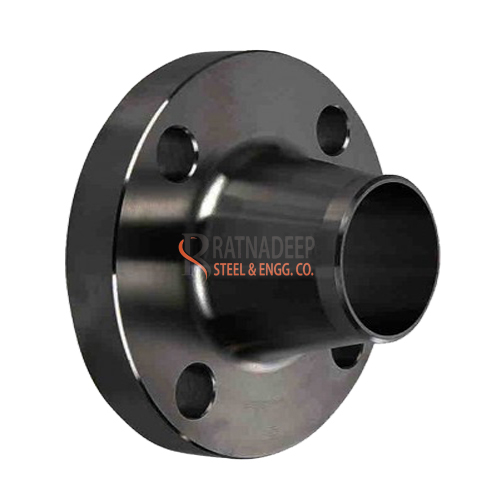
Technical Specifications
| Standard | Size Range | Pressure Rating | Face Type |
|---|---|---|---|
| ASME / ANSI B16.5 & B16.47 | ⅛” to 48” | 150# to 2500# | RF, RTJ |
| DIN | DN10 to DN2000 | PN6 to PN400 | RF, FF |
| JIS | 10A to 1500A | 5K to 30K | FF, RF |
Material Grades: ASTM A105 / A694 F42 / F46 / F52 / F56 / F60 / F65 / F70 / A350 LF3 / A350 LF2 etc
Chemical & Mechanical Properties
- Tensile Strength: 485 MPa min
- Yield Strength: 250 MPa min
- Hardness: 170–207 HB
- Carbon Content: 0.25% max
Applications & Industries
Key Features & Benefits
- High durability & strength
- Corrosion-resistant coatings available
- Leak-proof connections
- Compatible with international standards
- Custom sizes & finishes available
Certifications & Quality Assurance
- ISO Certified
- PED & IBR Approved
- Third-party inspection (TPI) available
- Mill Test Certificates (MTC) provided
Frequently Asked Questions
What is the difference between Slip-On and Weld Neck Flanges?
Slip-On flanges slide over the pipe and are welded, while Weld Neck flanges are butt-welded for higher strength and durability.
Which grades of Carbon Steel are used?
Common grades include ASTM A105 and A350 LF2, suitable for high-pressure applications.
What do PN and Class ratings mean?
PN indicates pressure in bars (metric), while Class rating refers to ANSI/ASME pressure standards.
Request a Quote
Looking for high-quality Carbon Steel Flanges? Get in touch with us today.
Contact Us