
Overview
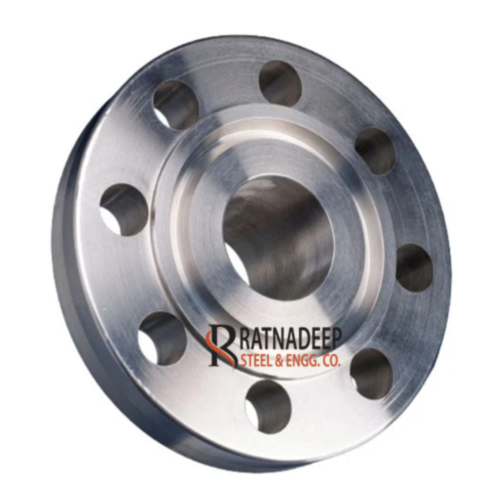
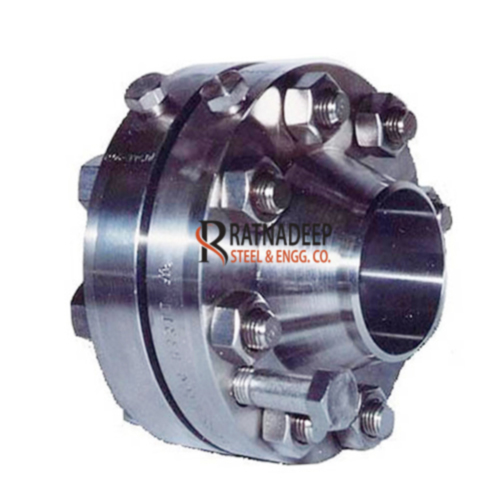
Aluminium flanges are widely used in industries where low weight, superior corrosion resistance, and excellent thermal conductivity are required. They are a preferred choice in aerospace, marine, chemical, and food processing industries. With smooth finishes, durability, and cost-effectiveness, aluminium flanges offer reliable performance across multiple applications.
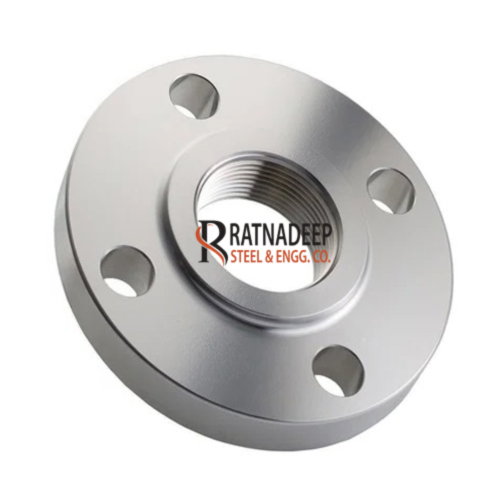
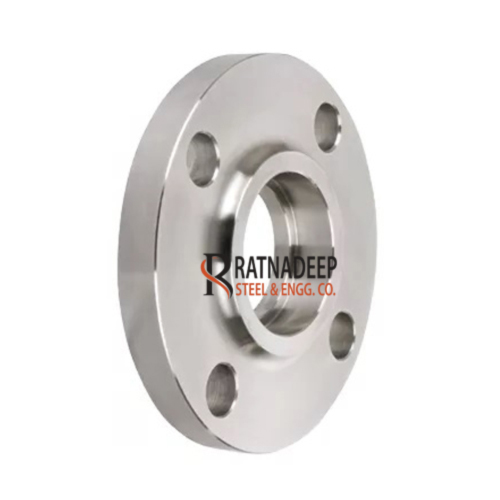
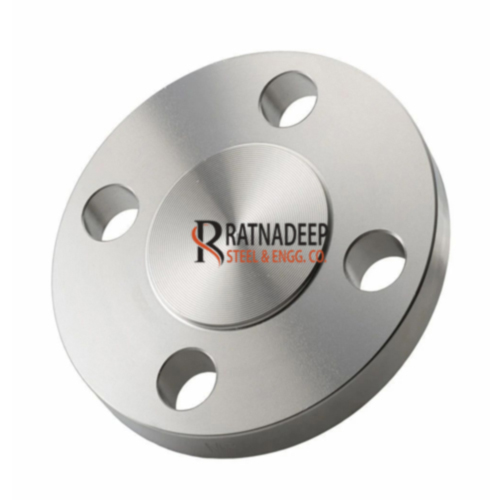
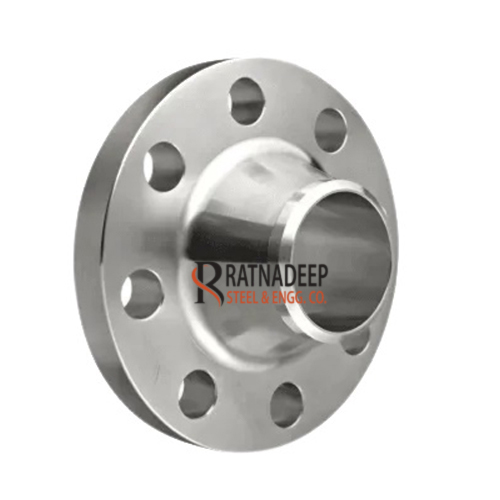
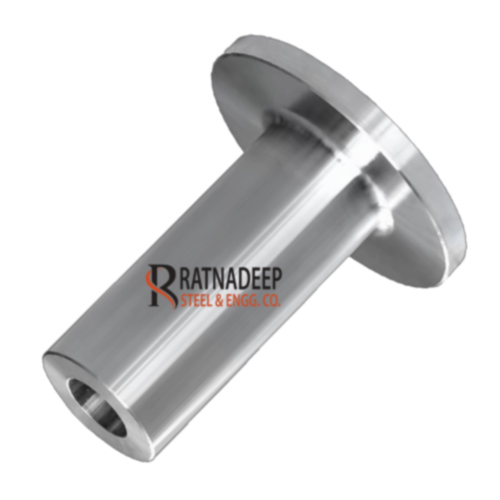
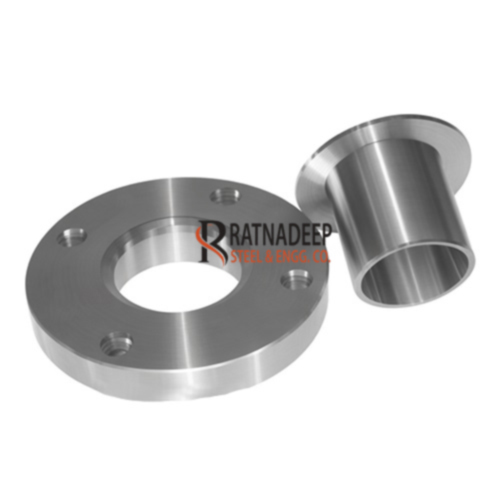
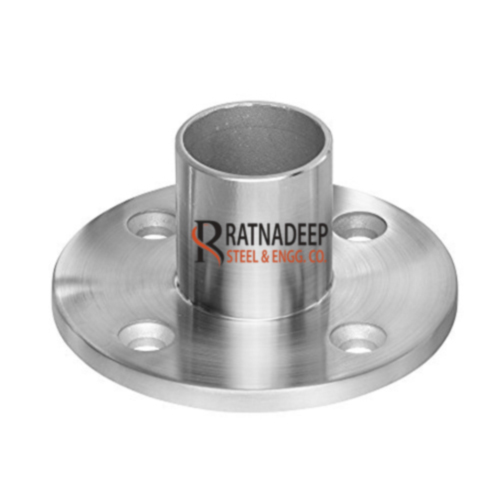
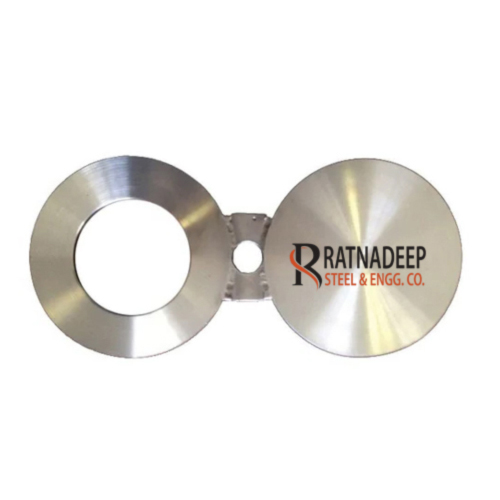
Types of Aluminium Flanges
Technical Specifications
| Standard | Size Range | Pressure Rating | Face Type |
|---|---|---|---|
| ASME / ANSI B16.5 & B16.47 | ⅛” to 48” | 150# to 600# | RF, FF |
| DIN | DN10 to DN2000 | PN6 to PN40 | RF, FF |
| BS / EN | ⅛” to 36” | PN6 to PN40 | RF |
Material Grades: Aluminium 6061, 6082, 7075, 5083, 5754, 1100, 1350
Chemical & Mechanical Properties
- Tensile Strength: 90 – 570 MPa (depending on grade)
- Yield Strength: 40 – 500 MPa
- Density: ~2.7 g/cm³ (lightweight)
- Corrosion Resistance: Excellent, especially in marine environments
- Thermal Conductivity: Very High
Applications & Industries
Key Features & Benefits
- Lightweight compared to steel flanges
- High corrosion resistance
- Excellent thermal & electrical conductivity
- Easy machinability & fabrication
- Available in multiple grades for varied applications
Certifications & Quality Assurance
- ISO 9001:2015 Certified
- Material Test Certificates (MTC) Provided
- Third-Party Inspection (TPI) Accepted
- ASTM / ASME Standards Compliance
Frequently Asked Questions
Are Aluminium Flanges suitable for high-pressure applications?
Aluminium flanges are generally recommended for low to medium pressure applications due to their lightweight properties.
Which Aluminium grades are commonly used for flanges?
Popular grades include 6061, 6082, 7075, 5083, and 5754 depending on application requirements.
Can Aluminium Flanges be used in seawater?
Yes, marine-grade aluminium alloys like 5083 and 5754 are highly resistant to seawater corrosion.
Request a Quote
Looking for premium Aluminium Flanges? Contact us today to get the best prices.
Contact Us