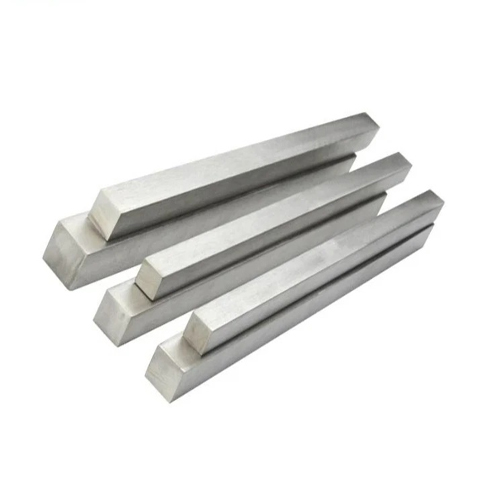
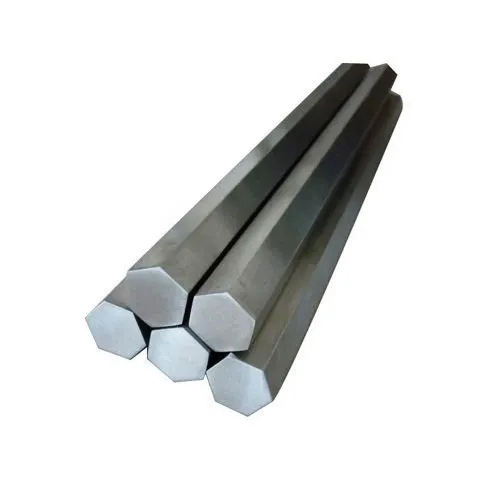
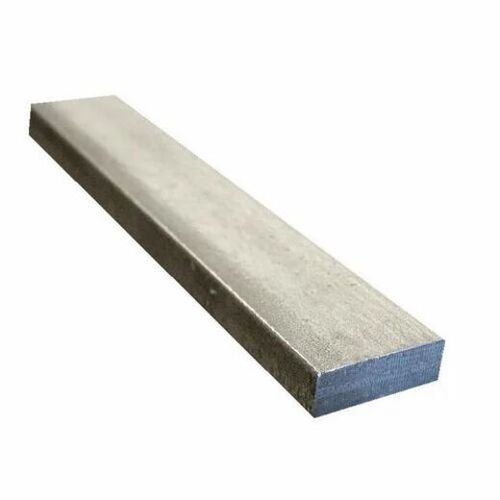
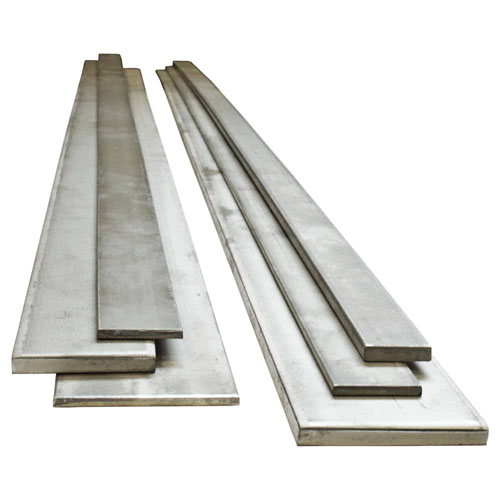
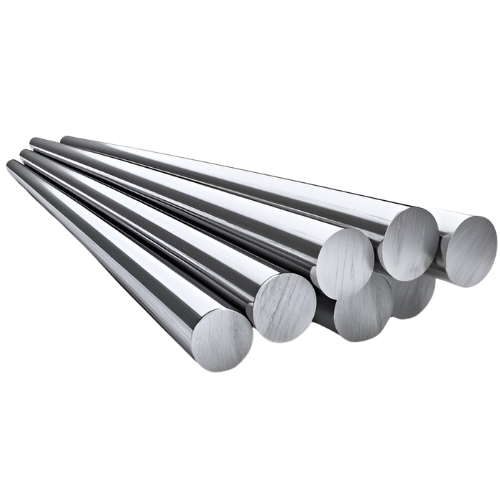
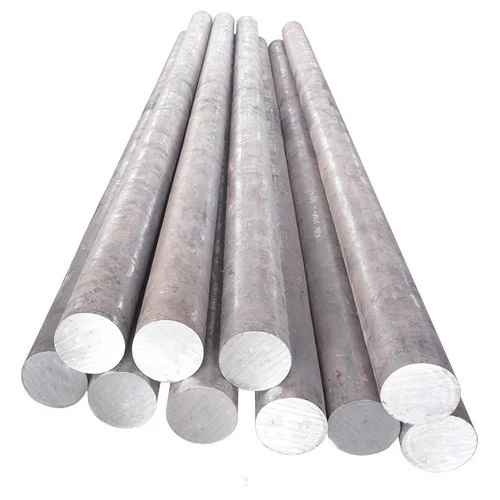
Alloy Steel Grade F11 is a widely used chromium-molybdenum alloy steel offering a strong combination of high-temperature strength, corrosion resistance, and good weldability. It is extensively used in boilers, pressure vessels, refinery piping, and heat exchangers. Grade F11 maintains structural integrity under prolonged exposure to heat and pressure, making it a preferred material for power generation and chemical processing industries.
MECHANICAL PROPERTIES OF ALLOY STEEL F11 ROUND BAR
Grade
Tensile Strength (MPa) min
0.2% Yield Strength (MPa) min
Elongation (% in 50mm) min
Rockwell B (HRB) max
Brinell (HB) max
F11
415
205
20
—
121 – 174
💡 Practical Difference in Use
Use Alloy Steel Grade F11 Round Bars when: a balanced combination of high-temperature strength, corrosion resistance, and good weldability is required. Alloy Steel F11 is a chromium-molybdenum alloy steel widely used for elevated-temperature and pressure applications in power generation and refining services.
→ Example: boiler headers, pressure vessels, refinery piping, heat exchangers, and steam lines.
Bright Finished / Machined Alloy Steel F11 Round Bars when: precise dimensional tolerances, smooth surface finish, and consistent machinability are essential for pressure-retaining components. Bright bars help achieve accuracy and reliability in fabrication and assembly.
→ Example: valve components, studs, bolts, flanges, shafts, and precision-machined boiler parts.
Applications of Alloy Steel Grade F11 Round Bars
Alloy Steel F11 round bars are extensively used where strength, thermal stability, and long service life under heat and pressure are required.
Power Generation: Boilers, headers, steam piping.
Oil & Gas & Refineries: High-temperature piping, pressure vessels.
Chemical Processing: Heat exchangers and pressure components.
When to Choose Alloy Steel Grade F11 Round Bars?
Selection depends on operating temperature, pressure conditions, corrosion resistance needs, and fabrication requirements.
Choose Alloy Steel F11 Round Bars when:
High-temperature and pressure resistance is required
Good oxidation and corrosion resistance is needed
Weldability and fabrication ease are important
Components operate under continuous thermal stress