
Overview
Alloy Steel Flanges are designed for superior strength, toughness, and resistance to wear, corrosion, and extreme temperatures. They are widely used in oil & gas, refineries, petrochemicals, power generation, and high-pressure applications.
Types of Alloy Steel Flanges
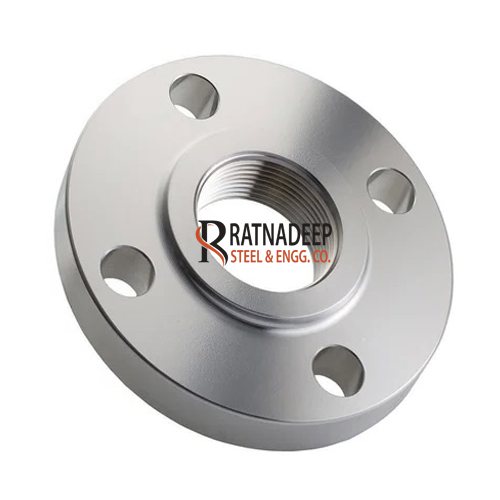
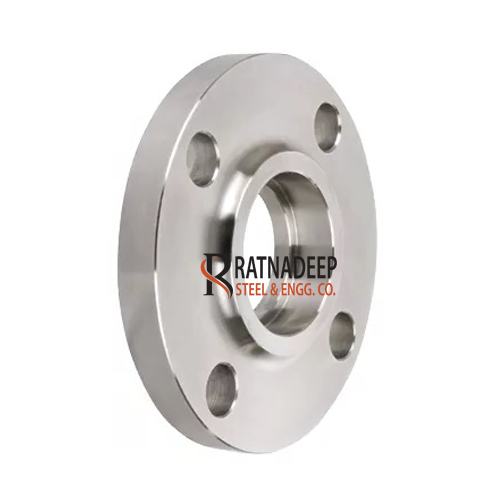
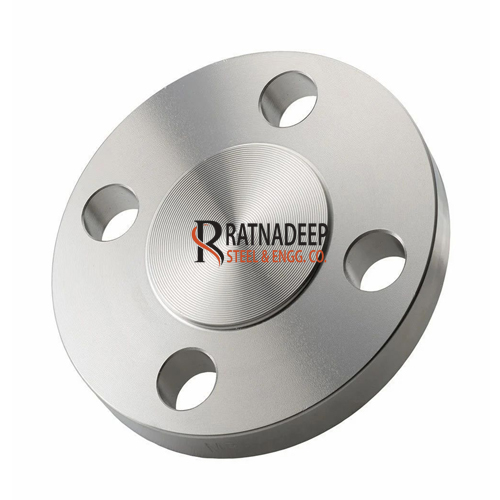
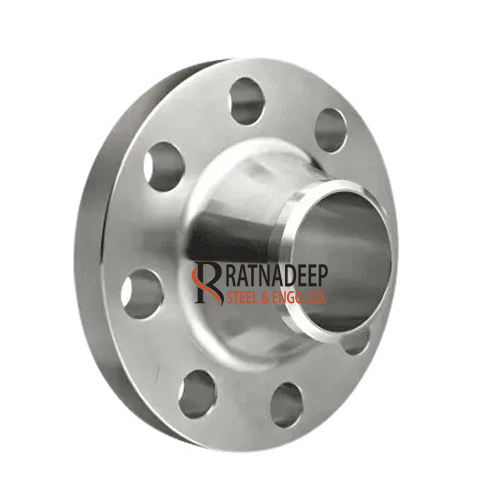
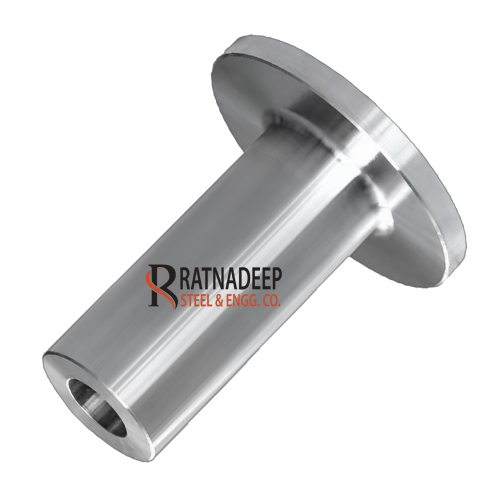
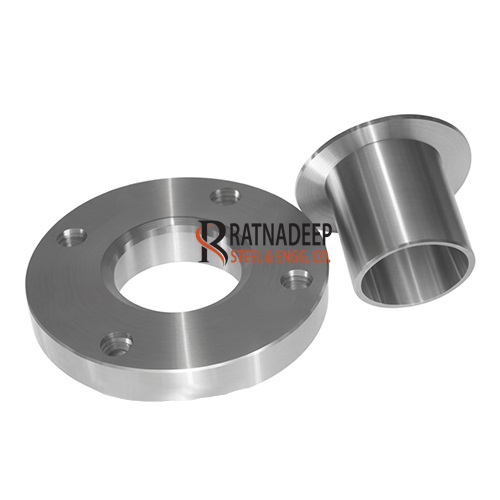
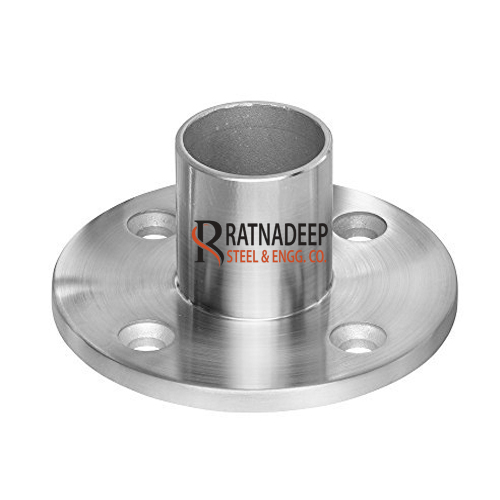
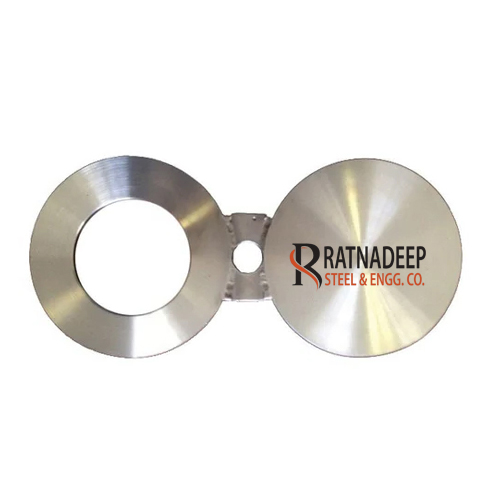
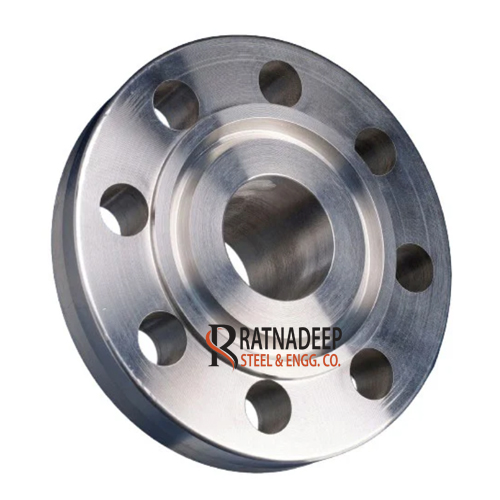
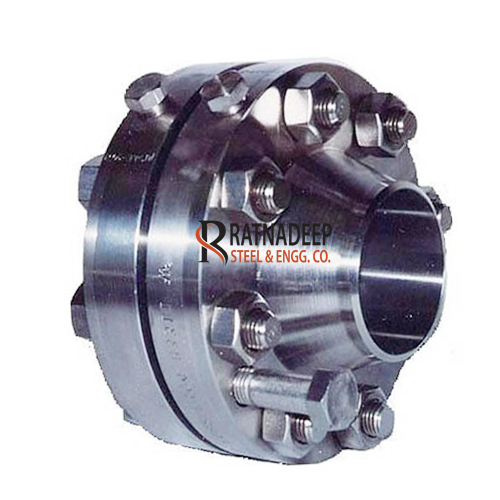
Technical Specifications
| Standard | Size Range | Pressure Rating | Face Type |
|---|---|---|---|
| ASME / ANSI B16.5 & B16.47 | ⅛” to 48” | 150# to 2500# | RF, RTJ |
| DIN | DN10 to DN2000 | PN6 to PN400 | RF, FF |
| API 6A | Custom sizes | 10,000 / 15,000 / 25,000 PSI | RF, RTJ |
Material Grades: ASTM A182 F1 / F5 / F9 / F11 / F22 / F91 / F92 etc.
ASTM A519 Gr. 4130 / Gr. 4140, API 6A Type – 10,000 / 15,000 / 25,000 PSI
Chemical & Mechanical Properties
- Tensile Strength: 585 MPa min (depending on grade)
- Yield Strength: 240–415 MPa
- Hardness: 143–217 HB
- Chromium Content: 1–12% (depending on alloy)
- Excellent creep resistance at high temperature
Applications & Industries
Key Features & Benefits
- Superior strength & durability
- Excellent resistance to wear & heat
- Leak-proof performance in extreme conditions
- Available for ultra-high pressure ratings (API 6A)
- Customizable in various sizes & finishes
Certifications & Quality Assurance
- ISO Certified
- PED & IBR Approved
- Third-party inspection (TPI) available
- Mill Test Certificates (MTC) provided
Frequently Asked Questions
Where are Alloy Steel Flanges commonly used?
They are primarily used in high-pressure and high-temperature applications such as oil & gas pipelines, power plants, and refineries.
What’s the difference between A182 F22 and F91 flanges?
F22 offers good strength and corrosion resistance, while F91 provides higher creep strength and is preferred for elevated temperatures.
Can Alloy Steel Flanges handle very high pressures?
Yes, API 6A Alloy Steel Flanges are designed for ultra-high pressures up to 25,000 PSI.
Difference Between ASTM A182 F5, F9, F11, F22 and F91 Flanges
| Grade | Chromium Content | Key Properties | Typical Applications |
|---|---|---|---|
| ASTM A182 F5 | 4% – 6% Cr | Good oxidation resistance and moderate high-temperature strength. | Refineries, heat exchangers, pressure vessels and petrochemical plants. |
| ASTM A182 F9 | 8% – 10% Cr | Improved corrosion and oxidation resistance at elevated temperatures. | Power generation equipment, boilers and high-temperature piping systems. |
| ASTM A182 F11 | 1% – 1.5% Cr | Excellent strength, toughness and resistance to hydrogen attack. | Steam lines, pressure vessels, refineries and thermal power plants. |
| ASTM A182 F22 | 2% – 2.5% Cr | Superior creep resistance, high-temperature strength and corrosion resistance. | Oil & gas processing, petrochemical plants, boilers and high-pressure piping. |
| ASTM A182 F91 | 8% – 9.5% Cr | Exceptional creep strength, thermal fatigue resistance and long-term performance at elevated temperatures. | Supercritical power plants, nuclear facilities, steam headers and ultra-high-temperature systems. |
Selection Guide: ASTM A182 F5 and F9 flanges are preferred for oxidation-resistant service, F11 is widely used for general high-temperature piping, F22 offers enhanced creep resistance for demanding refinery and power applications, while F91 provides the highest strength and long-term reliability in extreme temperature and pressure environments.
Request a Quote
Looking for high-performance Alloy Steel Flanges? Get in touch with us today.
Contact Us