
High Quality Nickel 200/201 Round Bars & Rods
Mechanical Strength • Accuracy & Straightness • Quality & Finish
Get a QuoteNickel 200 / 201 Explained
Nickel 200 and 201 are commercially pure nickel alloys. To begin with, they are known for excellent resistance to corrosion, outstanding thermal and electrical conductivity, and superior mechanical properties in non-oxidizing environments. Furthermore, these alloys exhibit high ductility, excellent formability, and good weldability — making them highly versatile for a wide range of industrial applications.
Which Nickel grade is right for your application? First and foremost, Nickel 200 is the standard commercially pure grade, suitable for general corrosive service with excellent fabricability. In addition, Nickel 201 offers improved resistance to embrittlement at elevated temperatures due to its lower carbon content — making it the preferred choice for high-temperature service. Moreover, both grades retain their performance in chemically aggressive environments, ensuring long-term reliability.
Consequently, Nickel 200 / 201 are widely used in chemical processing equipment, heat exchangers, and food processing systems. Furthermore, they are also trusted in electrical and electronic components, and aerospace applications. Equally important, their combination of purity, reliability, and corrosion resistance makes them the preferred choice for applications where performance and integrity are essential.
Need premium Nickel round bars for your critical application? Contact our technical team today — we’ll help you select the right grade (200 or 201) and specifications for your requirements, and provide a competitive quote tailored to your needs.
Other Types of Nickel Alloy 200 / 201 Bars
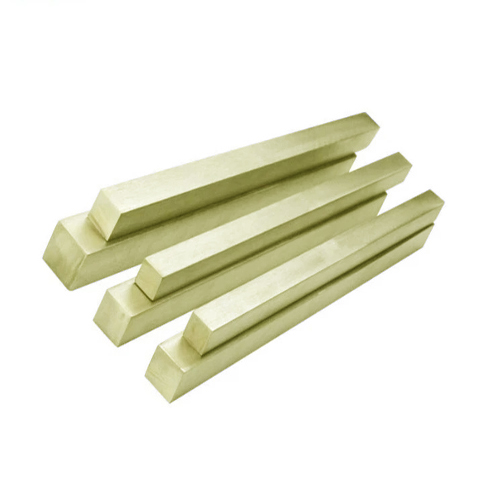
- Nickel 200 Square Bar, UNS N02200 / N02201
- DIN 2.4066 Square Rod, ASME SB 160
- ASTM B160 Nickel Alloy 201 Square Bar
- Nickel 200 / 201 Polish Square Rod
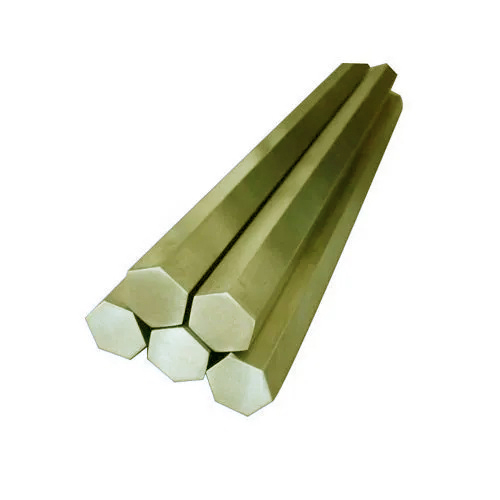
- ASME SB160 Nickel Alloy 200 / 201 Hex Bar
- ASTM B160 Nickel 200 Hex Bar
- DIN 2.4066 Hex Bar, UNS N02200
- Nickel 200 / 201 Polish Hex Rod
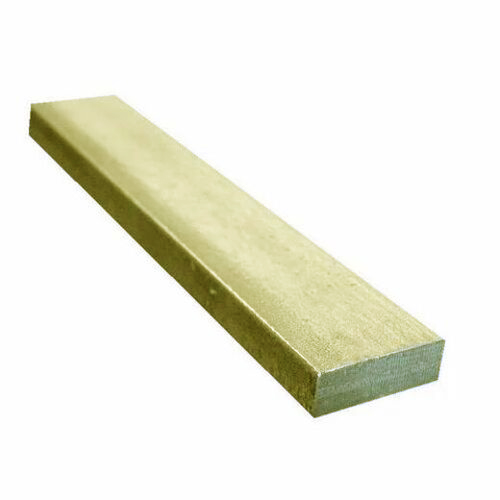
- Nickel ASTM B160 200 Rectangular Bar
- UNS N02200 / DIN 2.4066 Rectangular Bar
- ASME SB160 Nickel Alloy 201 Rectangular Rod
- Nickel Alloy 201 Polish Rectangular Bar Supplier
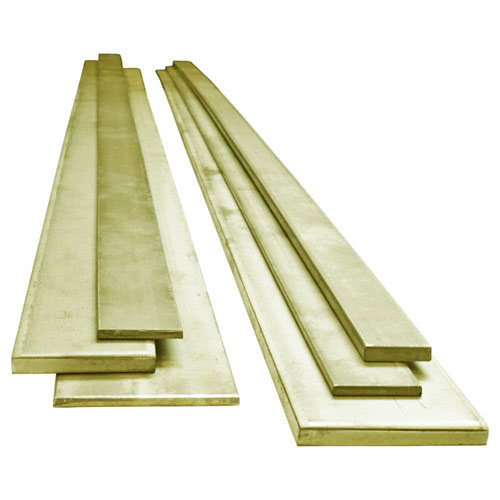
- DIN 2.4066 Flat Bar, UNS N02200
- ASME SB 160 Nickel 200 Flat Bar
- ASTM B160 Nickel Alloy 201 Flat Rod
- Nickel® 200 / 201 Polish Flat Bar
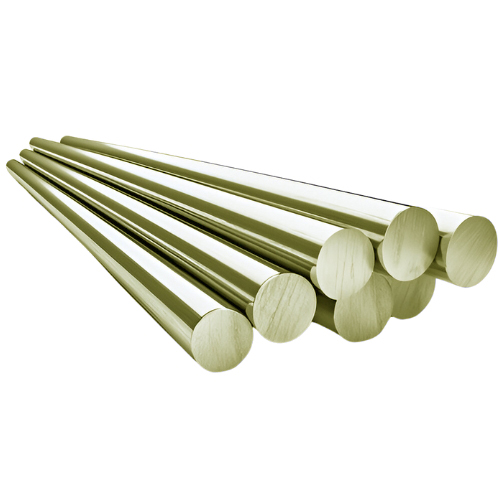
- ASTM B160 Nickel 201 Bright Bar
- UNS N02200 / N02201 Bright Bar
- Nickel Alloy 200 Bright Rod
- Nickel Alloy 200 / 201 Polish Bright Bar
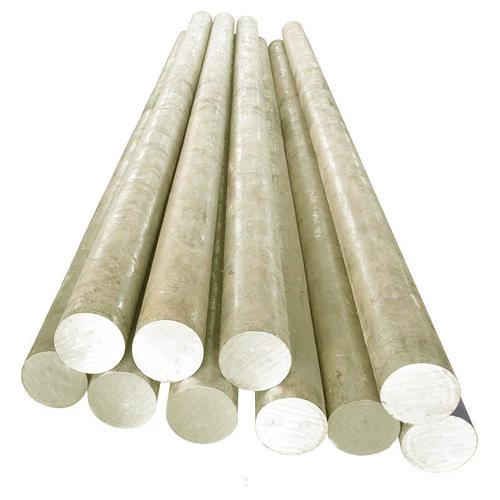
- UNS N02200 Forged Bar, Nickel 200 Forged Rod
- ASTM B160 200 Nickel Polish Forged Bar
- ASME SB160 Nickel Alloy 201 Forged Bar
- High purity Nickel forged components
NICKEL 200 / 201 ROUND BAR EQUIVALENT GRADES
| STANDARD | UNS | WERKSTOFF NR. | JIS | EN |
|---|---|---|---|---|
| Nickel 200 | N02200 | 2.4066 | NW 2200 | Ni 99.2 |
| Nickel 201 | N02201 | 2.4068 | NW 2201 | LC-Ni 99 |
SPECIFICATION OF NICKEL 200 / 201 ROUND BAR
| Standard Specification | ASTM B160 / ASME SB160 |
|---|---|
| Dimension Standard | EN, DIN, JIS, ASTM, BS, ASME, AISI |
| Size Range | 14 mm to 300 mm |
| Length | 1 to 6 meters, Custom Cut Length |
| Forms Available | Round, Square, Hex (AF), Rectangular, Billet, Ingot, Forged |
CHEMICAL COMPOSITION OF NICKEL 200 / 201 ROUND BAR
| Grade | C | Mn | Si | S | Cu | Fe | Ni |
|---|---|---|---|---|---|---|---|
| Nickel 200 | 0.15 max | 0.35 max | 0.35 max | 0.01 max | 0.25 max | 0.40 max | 99.0 min |
| Nickel 201 | 0.02 max | 0.35 max | 0.35 max | 0.01 max | 0.25 max | 0.40 max | 99.0 min |
MECHANICAL PROPERTIES OF NICKEL 200 / 201 ROUND BAR
| Grade | Density | Melting Point | Tensile Strength | Yield Strength (0.2% Offset) | Elongation |
|---|---|---|---|---|---|
| Nickel 200 | 8.9 g/cm³ | 1446°C (2635°F) | 462 MPa (67,000 psi) | 148 MPa (21,500 psi) | 45% |
| Nickel 201 | 8.9 g/cm³ | 1446°C (2635°F) | 462 MPa (67,000 psi) | 148 MPa (21,500 psi) | 45% |
Request a Quote
Looking for high-quality Nickel 200 / 201 Round Bars & Rods? Our products are manufactured in compliance with ASTM B160 and ASME SB160 standards . Get in touch with us today.
Contact Us