
Overview
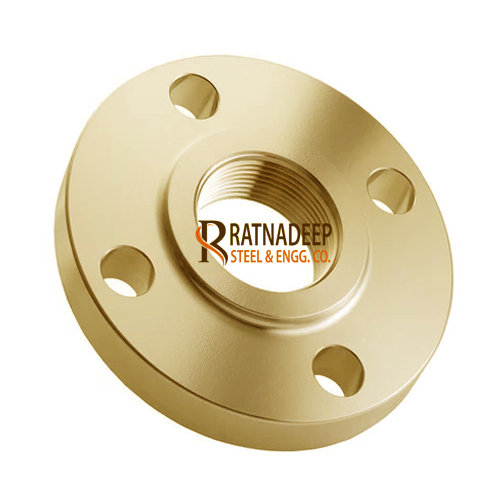
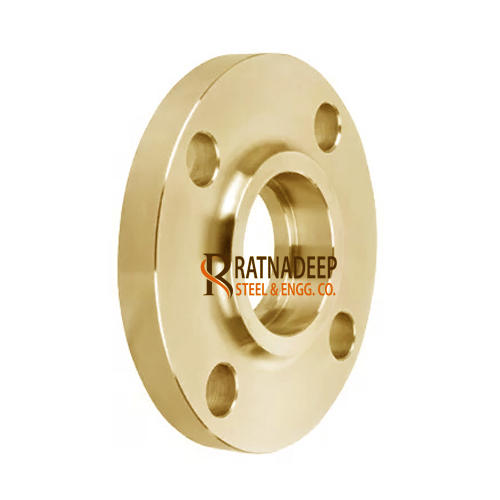
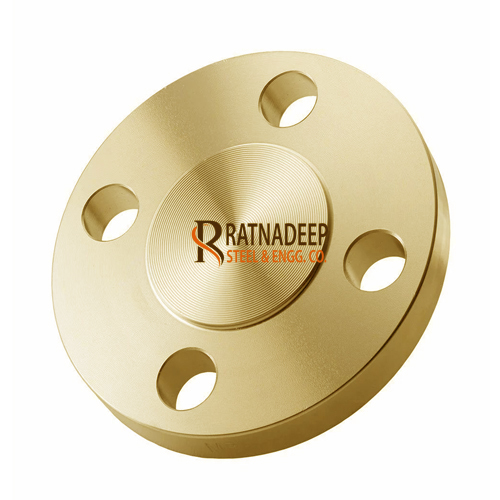
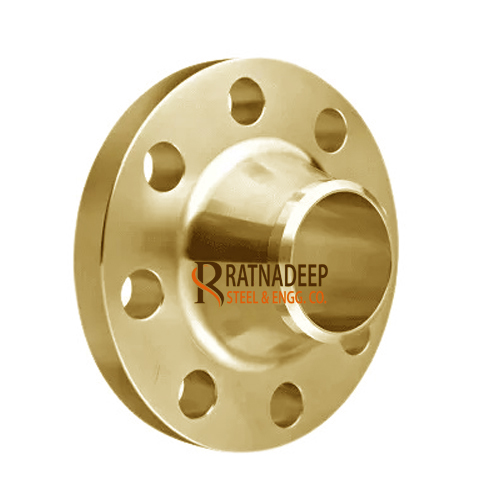
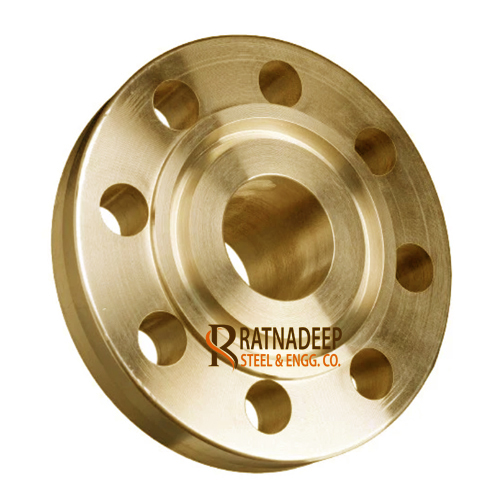
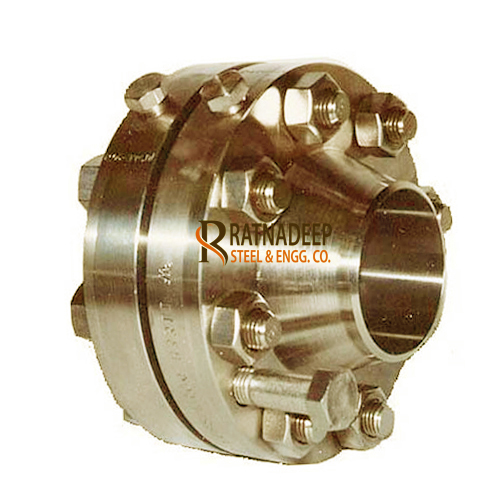
Brass flanges are widely used in plumbing, water supply, instrumentation, and decorative applications due to their excellent machinability, durability, and resistance to corrosion. They combine copper and zinc in varying proportions, resulting in superior strength while maintaining good ductility. Brass flanges are suitable for both industrial and commercial use.
Types of Brass Flanges
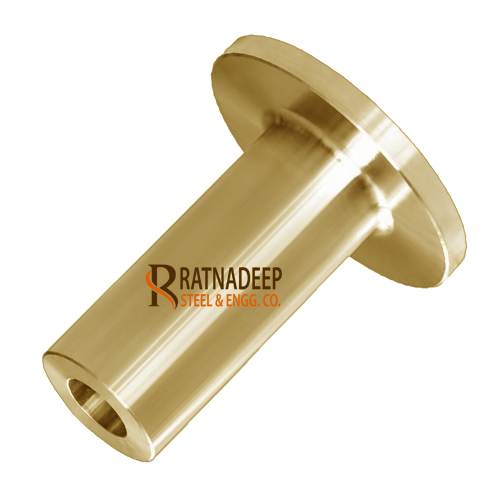
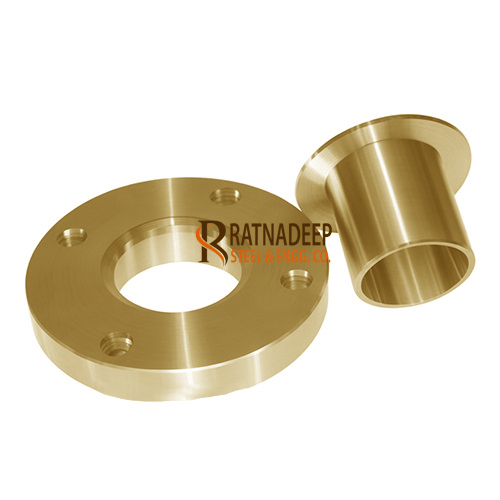
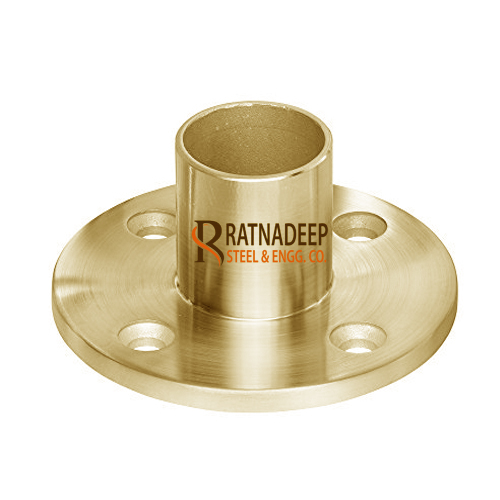
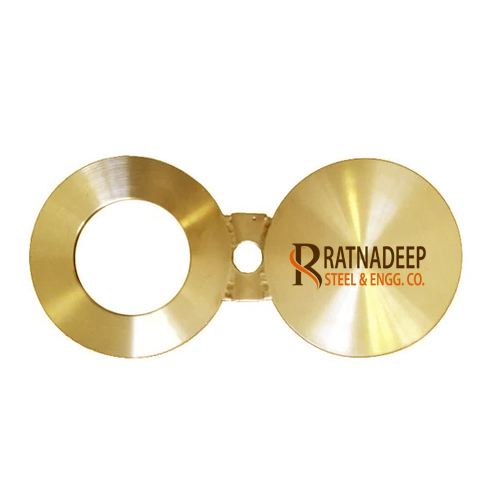
Technical Specifications
| Standard | Size Range | Pressure Rating | Face Type |
|---|---|---|---|
| ASME / ANSI B16.5 & B16.47 | ⅛” to 48” | 150# to 600# | RF, FF |
| DIN | DN10 to DN1000 | PN6 to PN40 | RF, FF |
| BS / EN | ⅛” to 20” | PN6 to PN25 | RF |
Material Grades: Brass CZ121, CZ122, C36000, C46400 (Naval Brass), C37700 (Forging Brass)
Chemical & Mechanical Properties
- Tensile Strength: 350 – 550 MPa
- Yield Strength: 100 – 400 MPa
- Density: ~8.5 g/cm³
- Corrosion Resistance: Good in freshwater & mild environments
- Machinability: Excellent (especially free-cutting brass grades)
- Thermal Conductivity: 120 W/m·K
Applications & Industries
Key Features & Benefits
- High machinability and ease of fabrication
- Corrosion resistant in water and mild chemicals
- Available in multiple standards and face types
- Good strength and ductility
- Cost-effective and durable solution
Certifications & Quality Assurance
- ISO 9001:2015 Certified
- Material Test Certificates (MTC) Provided
- Third-Party Inspection (TPI) Accepted
- ASTM / ASME Standards Compliance
Frequently Asked Questions
What are brass flanges commonly used for?
Brass flanges are mostly used in plumbing, instrumentation, and marine applications due to their corrosion resistance and machinability.
Is brass suitable for seawater environments?
Yes, Naval Brass (C46400) is designed for seawater resistance and is widely used in marine environments.
Do brass flanges tarnish?
Yes, brass may develop a patina over time but this can be polished or coated for protection.
Request a Quote
Looking for premium Brass Flanges? Contact us today to get the best prices.
Contact Us